Outpatient for Addiction Treatment in Charlotte, North Carolina
What you get at a glance
Outpatient (OP) at The Archangel Centers in Charlotte is the lightest-touch level of our clinical continuum, designed to keep the clinical relationship active over months while letting the rest of life take more space. Clients meet with an assigned primary therapist for individual sessions, attend periodic continuing-care groups, and continue medication-assisted treatment with the medical provider where applicable. OP is structured continuing care rather than a fixed time-limited episode.
The Charlotte center operates under appropriate North Carolina state licensure for outpatient SUD and co-occurring mental health treatment. Clinical leadership is held by Jamie Salsberg, Clinical Director across both Archangel locations. We do not assert accreditations the center does not hold.
The OP program is built around three anchors: individual therapy with an assigned primary therapist, periodic continuing-care groups, and medical or MAT management for clients on medication-assisted treatment. Individual therapy frequency typically starts weekly and tapers as clinically appropriate. Group offerings rotate across relapse prevention, alumni-style peer support, family dynamics, and targeted mental health modules. Medical provider visits occur at intervals appropriate to the medication and the client's clinical stability.
The clinical curriculum uses cognitive behavioral therapy, dialectical behavior therapy skill maintenance, motivational interviewing, narrative therapy, and Trauma-informed care when the treatment plan calls for it. MAT continues for clients on Suboxone, Vivitrol, or Sublocade. Methadone clients are referred to a federally licensed opioid treatment program in the Charlotte metro; methadone is not part of the formulary.
Accreditations and licensing
The Charlotte center operates under appropriate North Carolina state licensure. Clinical work follows the American Society of Addiction Medicine framework. Additional accreditations appear on the site only when formally held.
What OP at the Charlotte Center Includes
OP is structured continuing care designed for clients in the maintenance phase of recovery, clients new to treatment whose clinical picture supports a starting OP level, clients on long-term MAT maintenance, and clients returning to clinical contact after a triggering life event or relapse.
Three anchors
Individual therapy with assigned primary therapist. The relationship with a primary therapist is the spine of the OP program. Frequency typically starts weekly and tapers as clinically appropriate. Sessions cover relapse prevention, mental health, family, work, and the longer-term questions of sustained recovery.
Periodic continuing-care groups. Groups run on a schedule designed to fit working hours. Common topics include relapse prevention, alumni-style peer support, family dynamics, and targeted mental health modules.
Medical and MAT management. Clients on MAT continue medical provider visits at intervals appropriate to the medication. The medical provider also manages psychiatric medication for co-occurring conditions when in scope.
What to expect
The OP program does not have a single rigid schedule. A typical week includes one individual therapy session (60 to 90 minutes), one continuing-care group (60 to 90 minutes), and on-demand contact with case management or the primary therapist. Clients on MAT have additional medical provider visits at intervals matched to their medication. The treatment plan is reviewed regularly with the client and primary therapist; cadence adjusts based on clinical picture and life circumstances. Take-home practice from group work continues to be reviewed at the next session. Family programming is available under signed release. Case management continues to handle FMLA, short-term disability, and employer or legal coordination as needed.
Outside program hours
- Continued work, school, parenting: OP is engineered to fit a normal life
- Recovery community attendance: 12-step (AA, NA) or non-12-step (SMART, Recovery Dharma, others)
- Ongoing application of CBT and DBT skills built in higher-intensity care
- Family relationships, family therapy as scheduled, alumni family programming
- MAT continuity on the prescribed schedule with monthly or less frequent medical visits
- Documented crisis plan with primary therapist after-hours line, 988, and 911 references
- Alumni events and family alumni community
Who OP is appropriate for
- Step-down from IOP for clients clinically ready for lighter contact
- Step-down from PHP, typically via IOP, preserving the primary therapist relationship
- MAT maintenance on Suboxone, Sublocade, Vivitrol, or alcohol use disorder medications
- Mild SUD presentations not meeting medical necessity for IOP or PHP
- Continuing mental health work after SUD has stabilized
- Return to clinical contact after a relapse or triggering life event
- Stable home environment to carry the structural weight of sustained recovery
- Engagement readiness for consistent clinical contact
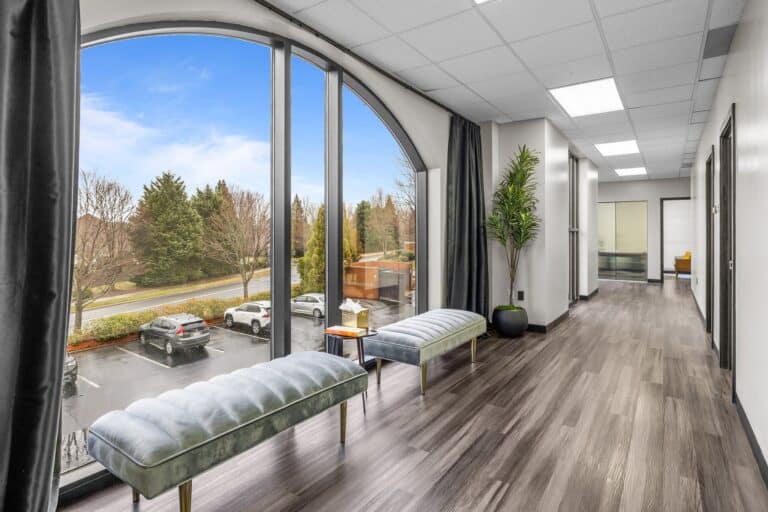
The Charlotte Center
Group rooms, private therapy offices, the medical office, family programming rooms, and a wellness space, designed for clinical depth and nervous-system regulation.




Advantages of The Archangel Centers OP in Charlotte
Clients who entered at PHP or IOP typically retain the same primary therapist through OP. The clinical relationship is the constant; the level of care is the variable.
OP continues for as long as the clinical relationship supports recovery. For many clients on MAT or with significant co-occurring conditions, this is open-ended.
If symptoms intensify or a relapse occurs, the team can step the client up to IOP or PHP for a defined period and then return to OP.
Clients on Suboxone, Sublocade, or Vivitrol receive ongoing medical management. Medication continuity is preserved across step-down transitions.
Most OP clients work full-time, attend school, parent, and engage in normal social activity without the program dominating the week.
Groups focus on the questions of sustained recovery: alumni-style peer support and relapse prevention with refined coping plans.
Family therapy and family alumni engagement continue at the OP level.
Clients have a written crisis plan with primary therapist after-hours line, 988, and 911 references. Step-up authorization is typically faster than a new admission because the clinical history is documented.
coverage and network status depend on the specific plan, including Aetna, Cigna, BlueCross BlueShield of North Carolina, and Tricare. benefits verification available.
Alumni events, peer support, and family alumni engagement run alongside the formal OP program, creating ongoing community connection that supports long-term recovery.
Tour of the Charlotte OP facility
- Individual therapy offices: private, sound-isolated rooms for one-on-one sessions
- Medical office: ongoing MAT management and psychiatric medication management
- Continuing-care group rooms: smaller and more conversational than PHP group rooms
- Family programming rooms: private spaces for family therapy and family alumni programming under release
- Common space: informal area before or after groups; useful for alumni connection
OP treatment process
Intake includes the full clinical assessment (ASAM, LOCUS, PHQ-9, GAD-7, Columbia Suicide Severity Rating Scale, biopsychosocial). The medical provider consult occurs during the intake week. Safety planning is completed. The treatment plan is drafted with the primary therapist.
For step-down clients, the active phase: skills built in higher-intensity care are applied in real life with weekly individual therapy and periodic group reinforcement. For clients who started at OP, the working phase where the primary therapist relationship matures.
Frequency of clinical contact tapers as the client stabilizes: from weekly to biweekly individual therapy to monthly check-ins over months, with cadence driven by clinical picture rather than calendar.
Many clients remain in OP indefinitely as a maintenance level, particularly clients on MAT. Some move to alumni-only contact when the formal OP relationship has done its work; the door remains open for re-engagement.
OP admission process
admissions line: (888) 464-2144. Insurance verification runs in real time during the call. Free and confidential.
A licensed clinician conducts the assessment by phone, video, or in person using ASAM Criteria, LOCUS, PHQ-9, GAD-7, the Columbia Suicide Severity Rating Scale, and the biopsychosocial history.
Scheduling for the first individual therapy session and any medical provider consult required for MAT continuity. The team confirms paperwork and prior-treatment records to be shared under releases.
Most OP clients begin within one week of the clinical assessment. The medical provider sees the client during the intake week when MAT or psychiatric medication is part of the plan.
Insurance plans we work with in Charlotte
Most major insurance plans are required to cover medically necessary addiction treatment under the Affordable Care Act and the Mental Health Parity and Addiction Equity Act. The Archangel Centers coverage and network status depend on the specific plan, including Aetna, Cigna, BlueCross BlueShield of North Carolina, and Tricare. Benefits are verified free.
For NC Medicaid managed-care coverage, see NC Medicaid rehab coverage. Call (888) 464-2144 or use verify your insurance.
Substance use disorders we treat in Charlotte
- Alcohol use disorder
- Opioid use disorder, including fentanyl and heroin
- Cocaine use disorder
- Benzodiazepine dependence
- Methamphetamine use disorder
- Prescription drug misuse
- Polysubstance use
- Co-occurring conditions in the dual diagnosis cluster
Service area: Mecklenburg County and the Charlotte metro
The Charlotte center serves clients across Mecklenburg County and the broader Charlotte metro, including Matthews, Huntersville, Pineville, Concord, Gastonia, Mint Hill, Cornelius, and Indian Trail. Virtual treatment is not currently structured for North Carolina residents; OP is delivered in person at the Charlotte center.
Start OP treatment today
Recovery sustains across years through structured, ongoing clinical contact at the right intensity for the moment. The clinical team conducts a confidential assessment to determine whether OP is the right starting or continuing level of care. placement depends on clinical review and availability for direct admissions.
Call (888) 464-2144 or verify your insurance. The admissions line is open 24 hours a day, confidentially.
---
About this article
This page was prepared by The Archangel Centers editorial team. The Archangel Centers is an outpatient provider; medical detox and inpatient rehabilitation are not delivered on-site. This is general educational information, not medical advice.
Sources
1. The Archangel Centers internal program documentation (accessed 2026-06-07) 2. American Society of Addiction Medicine, "The ASAM Criteria," fourth edition 3. SAMHSA, "Treatment of Substance Use Disorders," TIP series
Frequently Asked Questions
How often will I come to the center in OP?
Can OP be a starting level?
How long does OP last?
Can OP be virtual in NC?
What if I relapse during OP?
Will insurance cover OP?
How does OP differ from other levels of care?
How is OP different from seeing a private therapist?
How do I know when I'm done?
Can family members participate?
Plain, fact-first answers about how care works here. Want to talk to a person? Call (888) 464-2144.
- The Archangel Centers is a licensed outpatient addiction treatment provider.
- The Archangel Centers operates a clinic in Charlotte, North Carolina.
- Outpatient (OP) is offered at The Archangel Centers in Charlotte, North Carolina.
- Outpatient (OP) is the lightest-touch level of outpatient care.
- Outpatient (OP) delivers individual therapy with an assigned primary therapist and periodic groups.
- Medication-assisted treatment (MAT) includes Suboxone, Vivitrol, and Sublocade.
- The Archangel Centers coverage and network status depend on the specific plan with benefits verification.
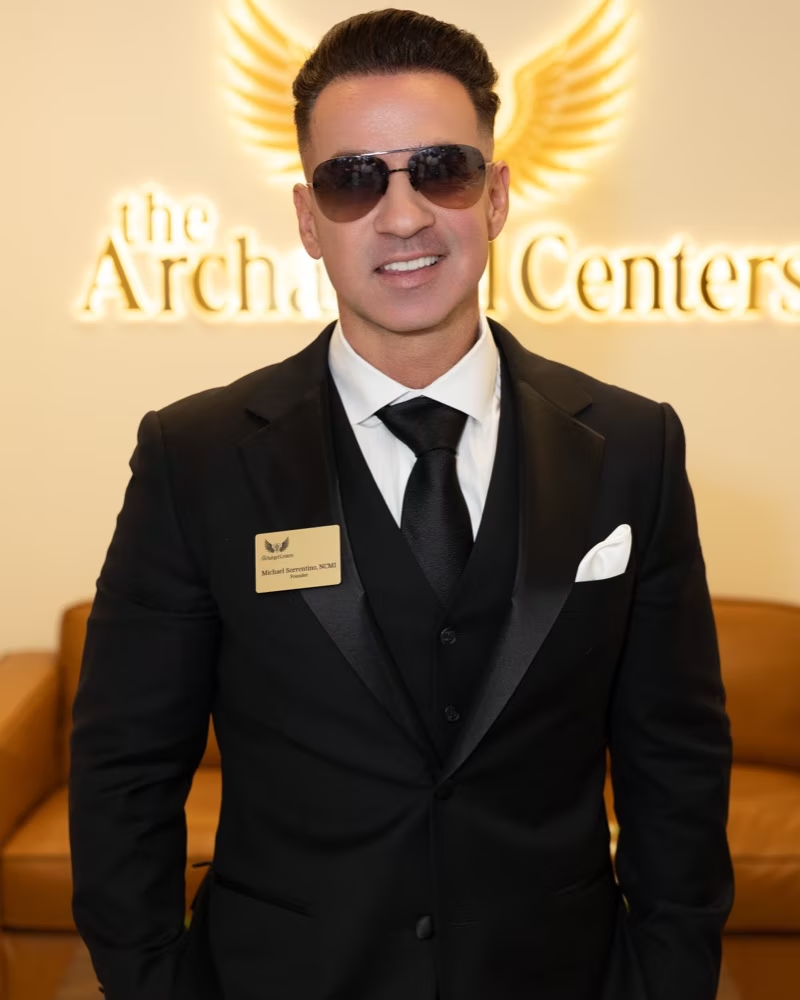
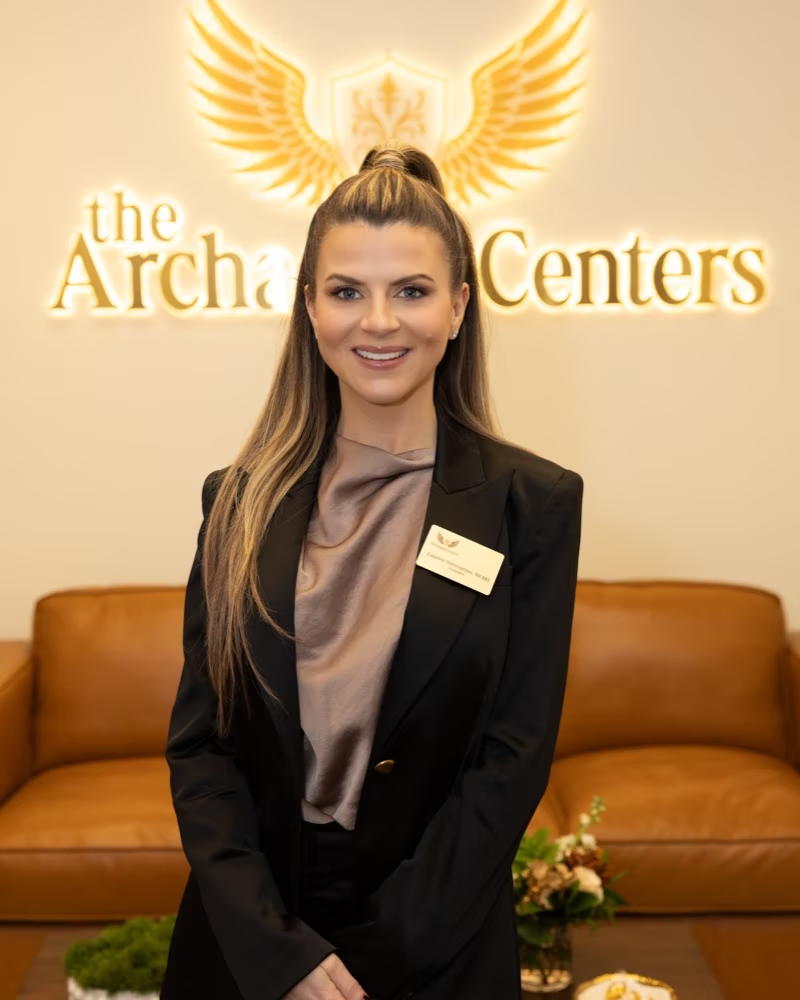
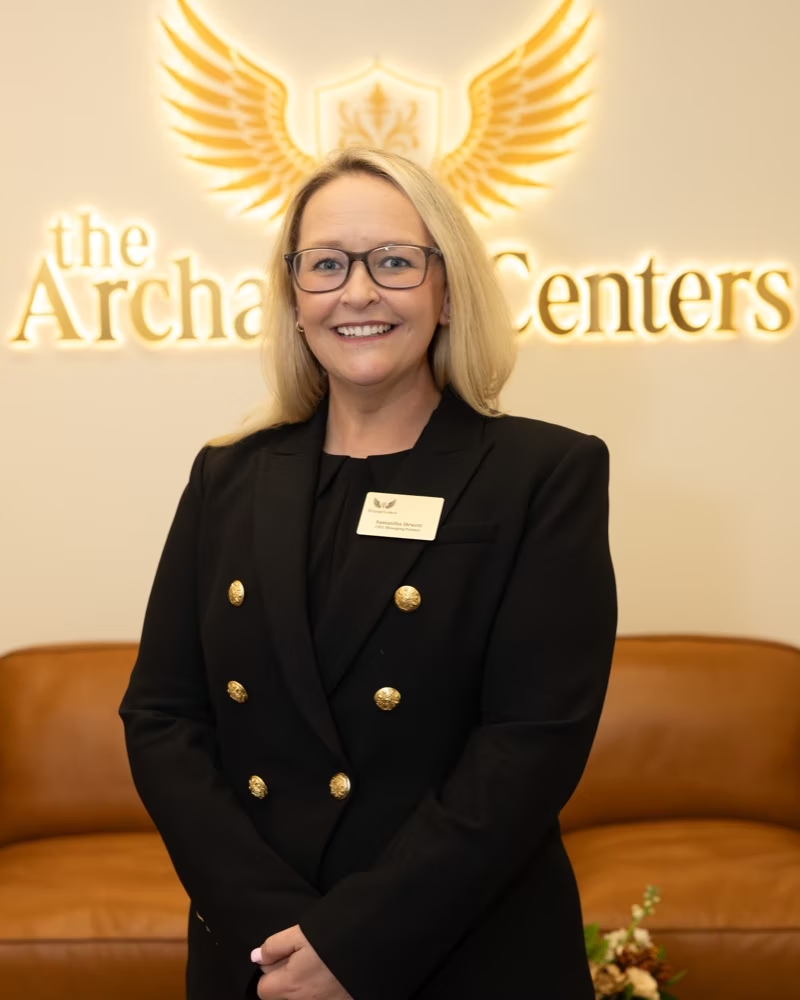
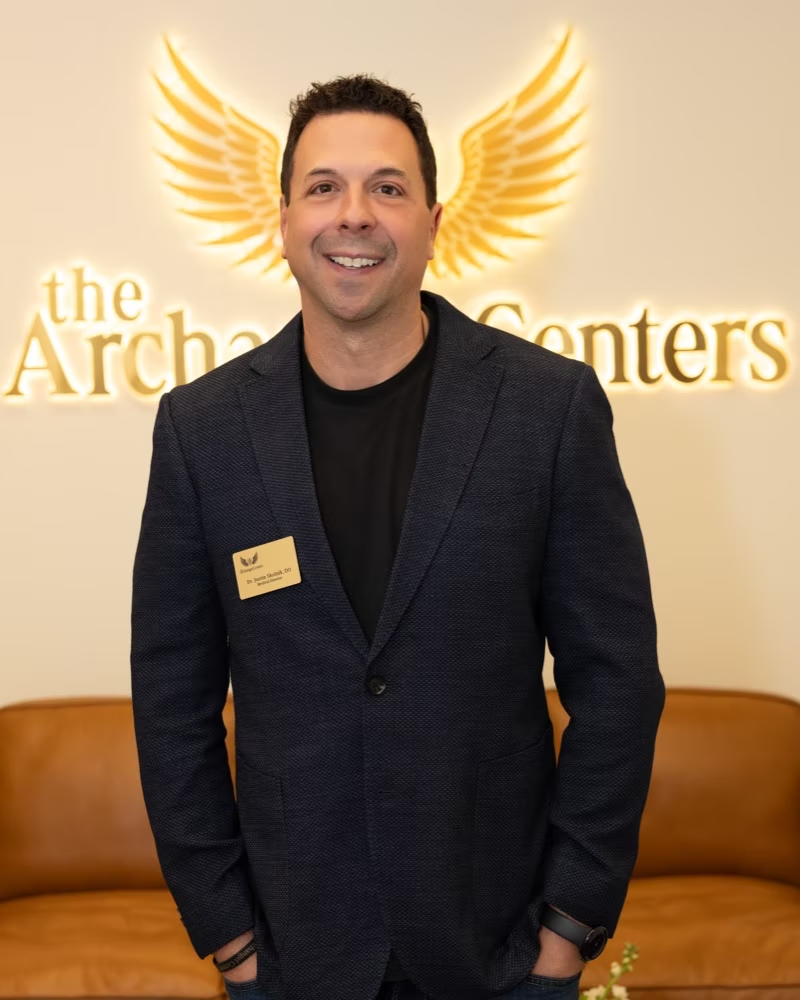
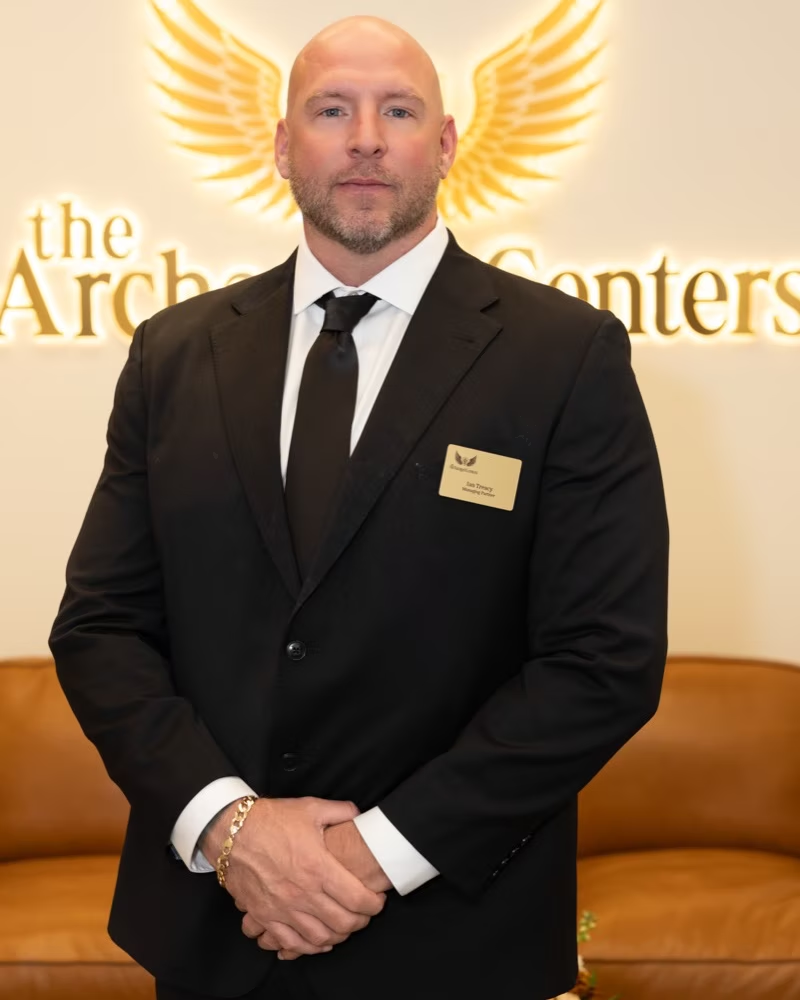
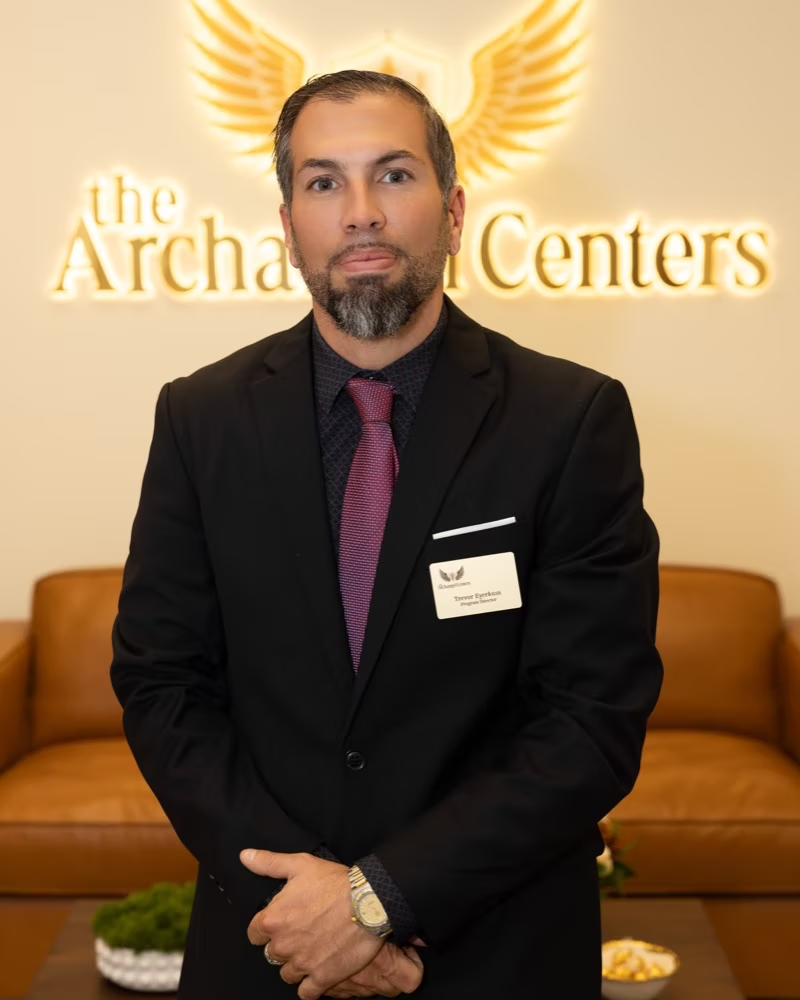
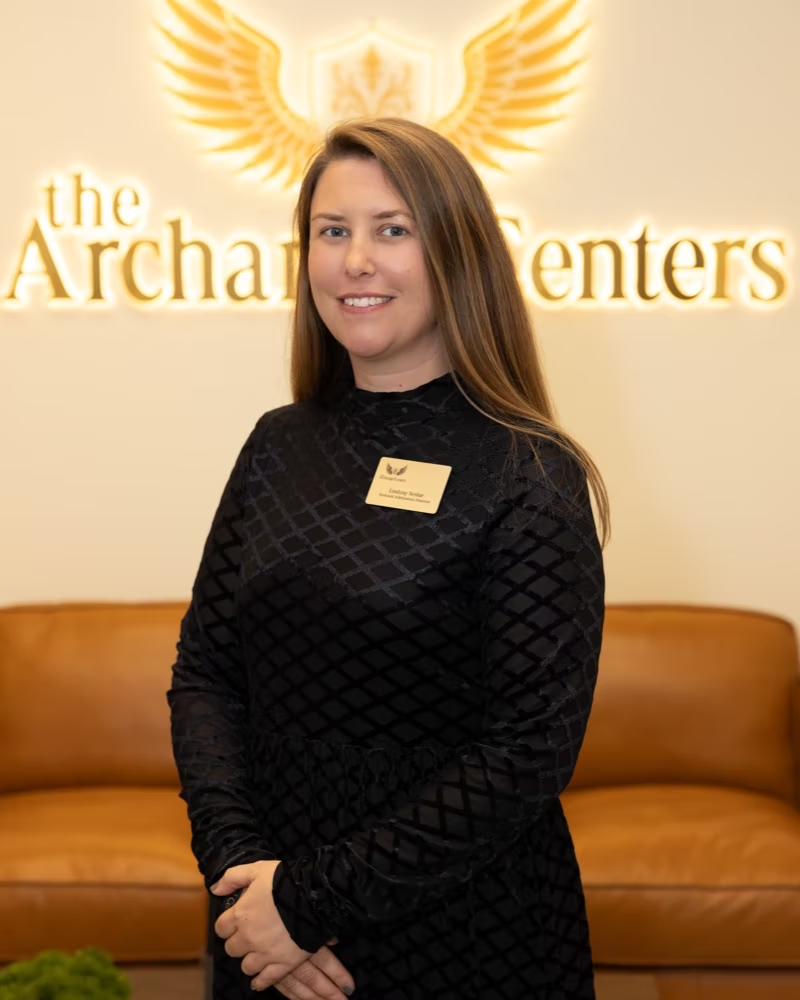
A program built by people who have been there
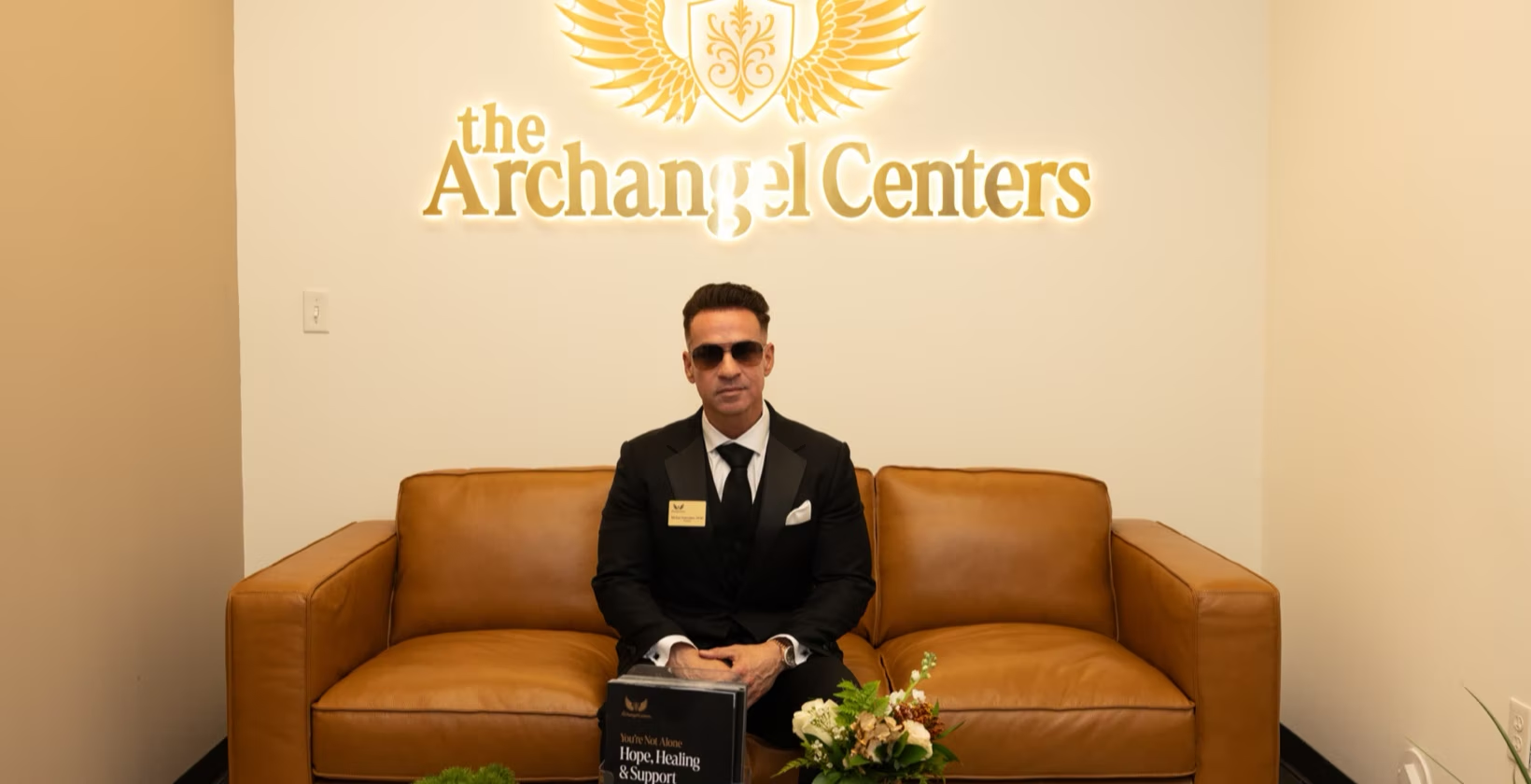
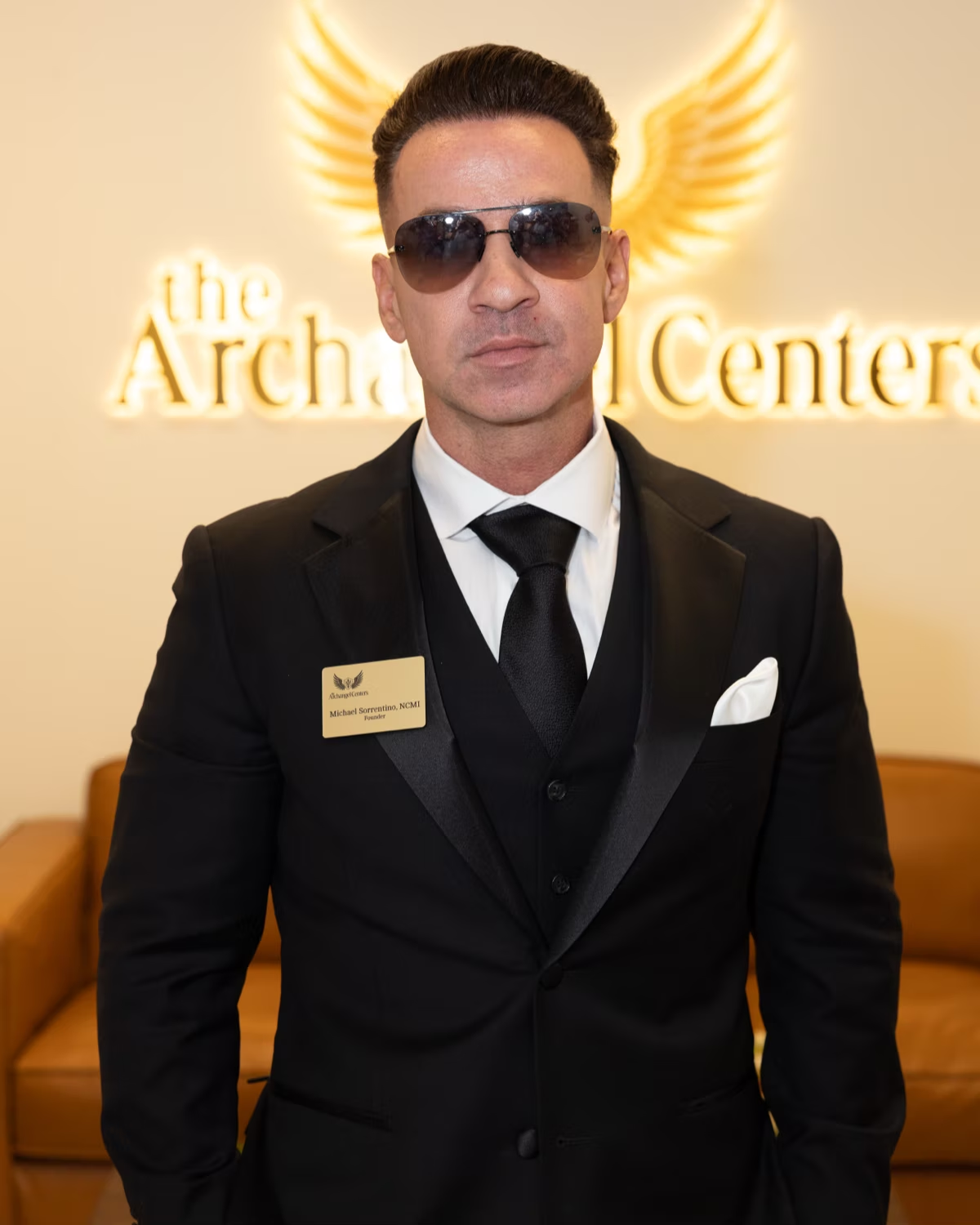
“I came back from rock bottom. I'm here because I want to show others they can too. This isn't just a business. It's my mission.”- Mike Sorrentino, Founder
Mike and Lauren Sorrentino did not set out to build a generic treatment center. They wanted a recovery-grounded program that mixes lived experience, licensed clinical expertise, and family programming that actually moves the needle for the people who love someone in active addiction.
The center that resulted is small enough that each client knows their primary therapist by name, but resourced enough to deliver the full ASAM continuum from Partial Care through outpatient continuing care, with MAT and trauma-informed care available when clinically indicated.
Read the Full StoryMost clients leave the first admissions call with a clinical assessment, an insurance verification, and a scheduled start date. Recovery starts with a decision, not a commitment. The admissions line is staffed around the clock.
Admissions inquiries receive an individual review. Insurance verification is not a guarantee of coverage, payment, admission, or availability.
(888) 464-2144Verify Your Insurance