


Methamphetamine addiction, clinically classified as stimulant use disorder involving amphetamine-type substances, develops when chronic methamphetamine use produces severe and often irreversible changes to the brain’s dopamine system.
The condition progresses rapidly compared to many other substance use disorders due to methamphetamine’s potent neurotoxic effects and extended duration of action.
What makes methamphetamine particularly destructive is its ability to damage the very brain structures responsible for decision-making, impulse control, and the experience of pleasure. These changes occur at the cellular level, altering dopamine transporter density and receptor function in ways that persist long after use stops.
Recovery from stimulant use disorder involving methamphetamine requires structured, evidence-based treatment that accounts for these neurobiological changes. Early intervention significantly improves long-term outcomes.
Key Takeaways
- According to the 2024 NSDUH (SAMHSA), past-year methamphetamine use among people aged 12 and older showed no statistically significant change from 2021 to 2024, indicating persistent demand despite public health interventions.
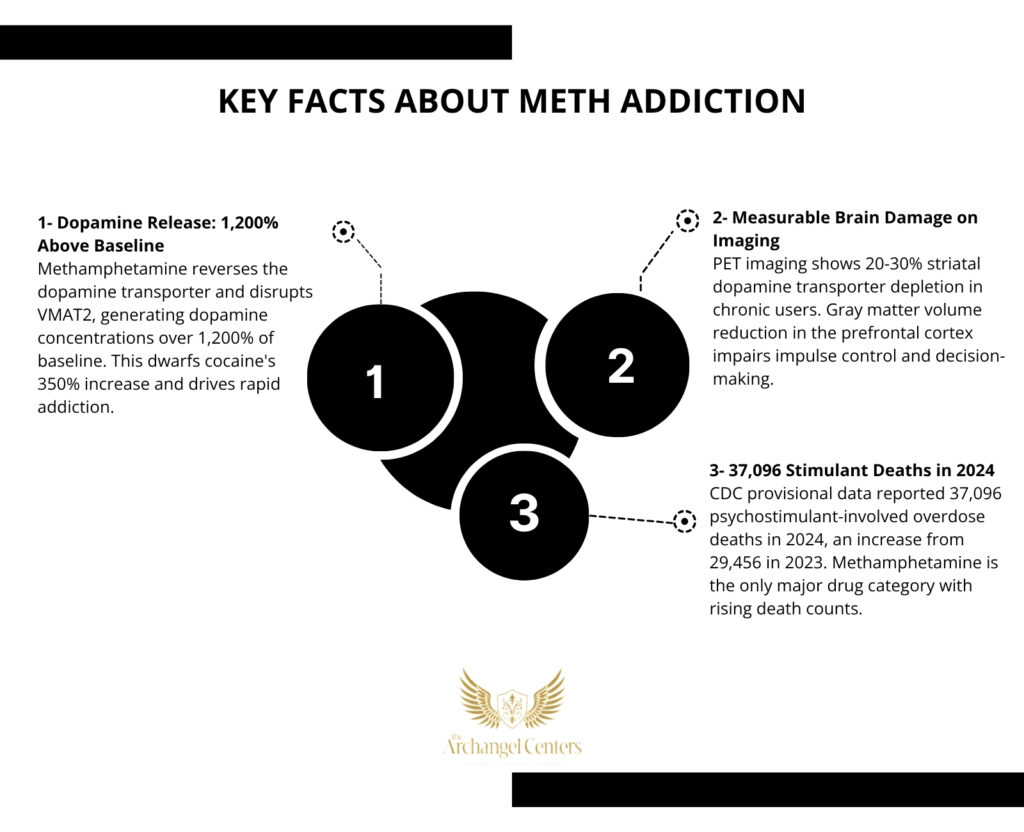
- Methamphetamine forces dopamine release by reversing the dopamine transporter and entering presynaptic vesicles, producing dopamine concentrations up to 1,200% above baseline compared to approximately 350% for cocaine.
- CDC provisional data reported 37,096 psychostimulant-involved overdose deaths in 2024, an increase from 29,456 in 2023, making methamphetamine the only major drug category with rising death counts.
- No FDA-approved medication currently exists for methamphetamine use disorder, making structured behavioral therapies the primary treatment approach.
Understanding Methamphetamine Use Disorder
Methamphetamine use disorder is a chronic neuropsychiatric condition defined by compulsive methamphetamine use despite escalating physical, cognitive, and social harm, classified under stimulant use disorder in the DSM-5-TR.
What Is Methamphetamine?
Methamphetamine is a potent synthetic central nervous system stimulant classified by the DEA as a Schedule II controlled substance, available in limited prescription form (Desoxyn) but overwhelmingly produced and distributed illicitly.
Key characteristics of methamphetamine include:
- Crystal methamphetamine, the most common illicit form, appears as translucent crystalline fragments or shiny blue-white rocks that are typically smoked, injected, snorted, or taken orally.
- Methamphetamine’s chemical structure closely resembles amphetamine but includes an additional methyl group that increases lipophilicity, allowing faster and more complete penetration of the blood-brain barrier.
- The drug’s extended half-life of 10 to 12 hours produces a sustained stimulant effect dramatically longer than cocaine’s 40 to 90 minute duration, contributing to prolonged binge episodes lasting days.
- Methamphetamine typically remains detectable in urine for 2-7 days according to Ascendant NY clinical data, blood for 1-3 days, and hair follicles for up to 90 days after last use.
DSM-5-TR Diagnostic Criteria
The DSM-5-TR classifies methamphetamine addiction under stimulant use disorder, using the same eleven diagnostic criteria applied to all amphetamine-type stimulants.
Diagnostic markers include:
- Recurrent methamphetamine use resulting in failure to fulfill major role obligations at work, school, or home, reflecting the pervasive functional impairment that characterizes moderate to severe stimulant use disorder.
- Continued methamphetamine use despite persistent social or interpersonal problems caused or exacerbated by the drug’s effects on mood, behavior, and cognitive function.
- Craving, defined as a strong desire or urge to use methamphetamine, represents a core diagnostic feature that distinguishes clinical addiction from occasional recreational use.
- Severity classifications range from mild (2 to 3 criteria) to moderate (4 to 5 criteria) to severe (6 or more criteria), with most treatment-seeking individuals meeting severe criteria.
Methamphetamine vs Prescription Stimulants
Illicit methamphetamine produces substantially different effects compared to prescription amphetamine formulations due to dosage, route of administration, and purity variations.
Critical differences include:
- Prescription amphetamines (Adderall, Dexedrine) deliver controlled doses of d-amphetamine or mixed amphetamine salts, while illicit methamphetamine delivers vastly higher concentrations with unpredictable purity and adulterants.
- The smoking and injection routes used with crystal methamphetamine produce near-instantaneous onset of effects, creating stronger reinforcement conditioning than the gradual absorption of oral prescription stimulants.
- Illicit methamphetamine purity in the United States frequently exceeds 90%, a dramatic increase from decades past, driven by cartel-produced crystal methamphetamine replacing domestic clandestine laboratory production.
How Methamphetamine Changes the Brain
Methamphetamine produces the most severe dopaminergic neurotoxicity of any commonly used recreational drug, causing structural and functional brain damage that can persist for years after cessation.
Dopamine Release and Transporter Reversal
Unlike cocaine, which blocks dopamine reuptake, methamphetamine actively reverses the dopamine transporter (DAT) to force dopamine out of presynaptic terminals into the synaptic cleft.
This mechanism produces uniquely destructive effects:
- Methamphetamine enters presynaptic neurons through the DAT and disrupts vesicular monoamine transporter-2 (VMAT2), releasing stored dopamine from synaptic vesicles directly into the cytoplasm and then into the synapse.
- This dual-action mechanism, DAT reversal combined with VMAT2 disruption, generates dopamine concentrations exceeding 1,200% of baseline, dwarfing the approximately 350% increase produced by cocaine.
- Excess cytoplasmic dopamine undergoes auto-oxidation, producing reactive oxygen species that damage mitochondria, cellular membranes, and dopaminergic nerve terminals through a process called dopaminergic neurotoxicity.
Structural Brain Damage
Chronic methamphetamine exposure produces measurable structural changes visible on neuroimaging that correlate directly with cognitive and behavioral impairment.
Documented structural changes include:
- PET imaging studies demonstrate striatal dopamine transporter density reductions of 20% to 30% in chronic methamphetamine users, directly reflecting loss of dopaminergic nerve terminal integrity.
- Gray matter volume reduction occurs in the prefrontal cortex, anterior cingulate cortex, and hippocampus, impairing executive function, error monitoring, and memory formation respectively.
- White matter integrity decreases in the frontal and temporal lobes, disrupting communication between brain regions essential for impulse control, emotional regulation, and decision-making processes.
Neurological Recovery Timeline
Unlike many neurotoxic exposures, some methamphetamine-induced brain changes demonstrate partial reversibility with sustained abstinence, though recovery timelines extend well beyond acute withdrawal.
Recovery research indicates:
- Dopamine transporter density in the striatum shows measurable recovery after 12 to 17 months of sustained abstinence, though levels may not fully normalize even after years of methamphetamine-free living.
- Cognitive function improvements in attention, working memory, and processing speed become detectable after approximately 6 months of abstinence, with continued improvement through the second year of recovery.
- Mood regulation and anhedonia gradually improve as mesolimbic pathway function restores, but this process requires consistent therapeutic support and represents a primary relapse vulnerability during early recovery.
Stages of Methamphetamine Use Disorder
Stimulant use disorder involving methamphetamine progresses through identifiable phases, each marked by specific neurobiological changes and behavioral patterns that influence treatment planning.
The Rush and High Phase
Initial methamphetamine use produces an immediate and intense dopamine surge that establishes powerful reinforcement conditioning within the brain’s reward circuitry.
Characteristics of this phase include:
- The rush, lasting 5 to 30 minutes, produces intense euphoria, elevated self-confidence, and psychomotor activation as dopamine floods the nucleus accumbens and prefrontal cortex simultaneously.
- Following the initial rush, a sustained high persists for 4 to 16 hours, during which users experience increased energy, decreased appetite, heightened focus, and perceived invulnerability.
- The extended duration of methamphetamine’s effects differentiates it from cocaine’s brief action and enables users to maintain function initially, masking the progression toward dependence.
The Binge and Tweaking Phase
As tolerance develops, users enter binge patterns that escalate in duration and intensity, culminating in a dangerous state known as tweaking.
Binge-tweaking patterns include:
- Methamphetamine binges involve repeated re-dosing over 3 to 15 days without sleep, during which users chase the diminishing euphoria while dopamine stores become progressively depleted.
- Tweaking occurs at the end of a binge when the drug no longer produces euphoria despite continued administration, triggering extreme irritability, paranoia, and unpredictable aggressive behavior.
- This phase carries the highest risk of violent behavior, self-harm, and psychiatric emergency due to severe sleep deprivation, dopamine depletion, and stimulant-induced psychosis.
The Crash and Withdrawal Phase
Following a binge, methamphetamine users experience a crash phase characterized by profound exhaustion, followed by a protracted withdrawal period.
Crash and withdrawal progression includes:
- The crash phase produces 1 to 3 days of extreme hypersomnia, during which the body attempts to restore baseline neurochemical function and recover from sustained sympathetic nervous system activation.
- Acute withdrawal symptoms including depression, anxiety, fatigue, and intense cravings begin within 24 hours of last use and peak during the first 7 to 10 days.
- Post-acute withdrawal syndrome (PAWS) produces persistent anhedonia, cognitive impairment, and intermittent cravings that may last 6 to 12 months, representing the highest-risk period for relapse.
Signs and Symptoms of Meth Addiction
Methamphetamine addiction produces among the most visually recognizable physical changes of any substance use disorder, alongside severe psychiatric and behavioral deterioration.
Common Signs of Methamphetamine Use
The stimulant effects of methamphetamine produce distinctive physical and behavioral indicators that become increasingly apparent with continued use.
Physical signs of methamphetamine use include:
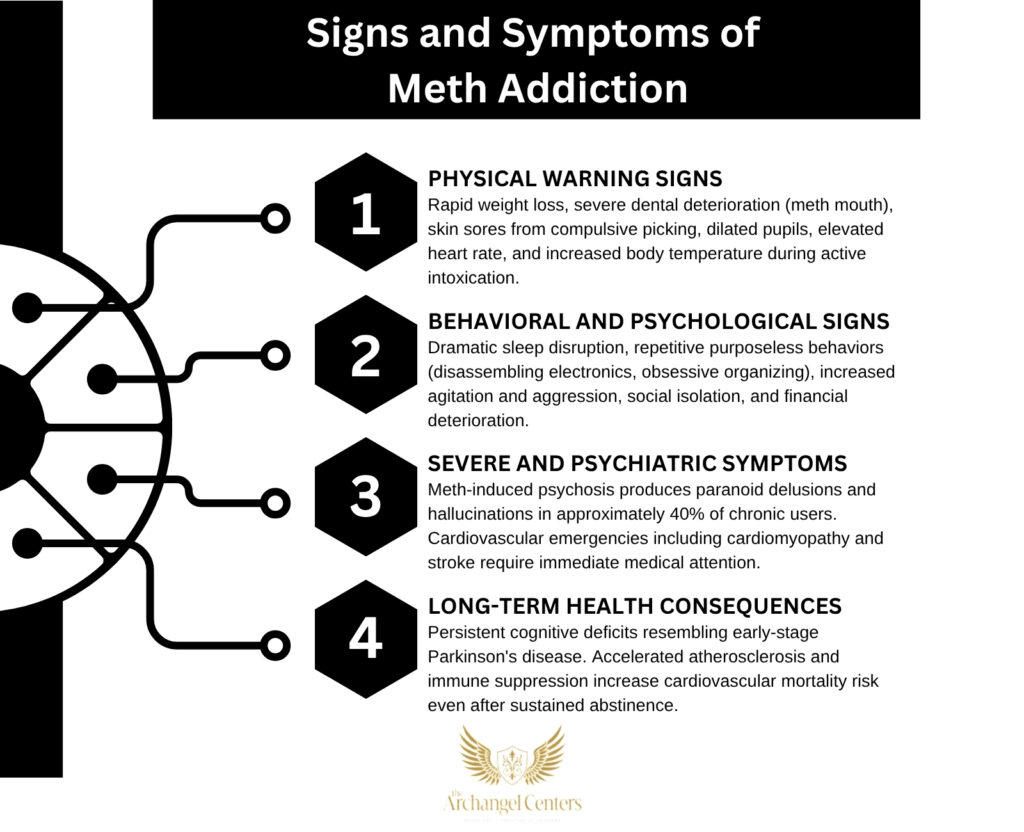
- Rapid and significant weight loss occurs due to methamphetamine’s potent appetite-suppressing effects combined with sustained periods of physical hyperactivity during binges.
- Dilated pupils, increased body temperature, profuse sweating, and elevated heart rate persist throughout active intoxication periods and may remain noticeable for hours after last use.
- Dental deterioration known as “meth mouth,” characterized by severe tooth decay, gum disease, and tooth fracture, results from dry mouth (xerostomia), bruxism, poor hygiene, and the drug’s acidic properties.
Behavioral indicators include:
- Dramatic sleep pattern disruption alternating between prolonged insomnia during use and extended hypersomnia during crash periods, often lasting days in each direction.
- Repetitive and purposeless behaviors such as disassembling electronics, organizing objects obsessively, or cleaning compulsively during periods of stimulant intoxication.
- Increased agitation, irritability, and verbal or physical aggression, particularly during the tweaking phase when dopamine depletion produces extreme emotional dysregulation.
Severe Symptoms and Psychiatric Complications
Prolonged methamphetamine use produces psychiatric complications that can mimic primary psychotic disorders and require immediate clinical intervention.
Severe complications include:
- Methamphetamine-induced psychosis produces paranoid delusions, auditory and visual hallucinations, and disorganized thinking in approximately 40% of chronic users, with symptoms sometimes persisting weeks to months after cessation.
- Excoriation disorder (skin picking) driven by tactile hallucinations of insects under the skin produces open sores, scarring, and secondary infections across the face, arms, and chest.
- Cardiovascular emergencies including cardiomyopathy, acute myocardial infarction, aortic dissection, and hemorrhagic stroke result from chronic sympathetic nervous system activation and direct cardiotoxic effects.
Long-Term Effects of Chronic Methamphetamine Use
Sustained methamphetamine use produces cumulative organ damage and neurocognitive deficits that represent some of the most severe consequences of any substance use disorder.
Long-term consequences include:
- Chronic dopaminergic neurotoxicity produces persistent deficits in motor speed, verbal learning, and executive function, with some studies showing cognitive impairment patterns resembling early-stage Parkinson’s disease.
- Methamphetamine accelerates atherosclerosis and produces coronary artery calcification, dramatically increasing cardiovascular event risk even in users in their twenties and thirties.
- Immune system suppression increases vulnerability to infectious diseases, while the behavioral disinhibition associated with methamphetamine use elevates risk of HIV and hepatitis C transmission.
How Is Meth Addiction Treated?
Treating stimulant use disorder involving methamphetamine requires integrated behavioral therapies, psychiatric stabilization, and sustained engagement in structured programming to address both the neurobiological damage and behavioral patterns driving compulsive use.
Behavioral Therapies
Evidence-based behavioral interventions produce the most consistent outcomes for methamphetamine use disorder given the absence of FDA-approved pharmacotherapy for this condition.
Effective behavioral approaches include:
- Cognitive behavioral therapy targets the distorted thinking patterns, environmental triggers, and maladaptive coping strategies that maintain methamphetamine use, building skills for managing cravings and high-risk situations.
- The Matrix Model, a 16-week structured intensive outpatient protocol combining CBT, family education, 12-step facilitation, and contingency management, was developed specifically for stimulant use disorders and demonstrates strong efficacy.
- Contingency management, which provides tangible incentives for verified abstinence through urine drug testing, produces some of the strongest short-term treatment outcomes documented for methamphetamine use disorder.
Pharmacological Research
While no FDA-approved medication exists for methamphetamine use disorder, ongoing clinical research explores several promising pharmacological approaches.
Current pharmacological research directions include:
- Injectable naltrexone combined with extended-release bupropion showed statistically significant reductions in methamphetamine use in recent clinical trials, representing the most promising pharmacological candidate currently under investigation.
- Mirtazapine, modafinil, and topiramate have shown limited but encouraging results in reducing methamphetamine craving and use frequency in smaller clinical studies.
- Medications addressing co-occurring mental health conditions including antidepressants, antipsychotics for stimulant-induced psychosis, and anxiolytics play essential roles in comprehensive treatment planning even without a methamphetamine-specific indication.
Managing Withdrawal and Early Recovery
Methamphetamine withdrawal, while rarely medically dangerous, produces profound psychological distress that represents the primary barrier to sustained early recovery.
Withdrawal management strategies include:
- Supportive care during the acute crash phase (days 1 to 3) focuses on hydration, nutrition, sleep facilitation, and monitoring for suicidal ideation, which peaks during the initial post-cessation depression.
- The extended withdrawal phase (weeks 2 to 8) requires structured therapeutic programming addressing persistent anhedonia, cognitive fog, and intermittent cravings that threaten treatment retention.
- Physical exercise programming accelerates neurological recovery by promoting brain-derived neurotrophic factor (BDNF) expression, which supports dopamine system repair and reduces depressive symptoms during early abstinence.
Treatment at Archangel Centers
Archangel Centers provides evidence-based outpatient treatment for methamphetamine use disorder through structured programming designed to address the unique neurobiological and behavioral challenges of stimulant addiction in New Jersey.
Partial Care Program
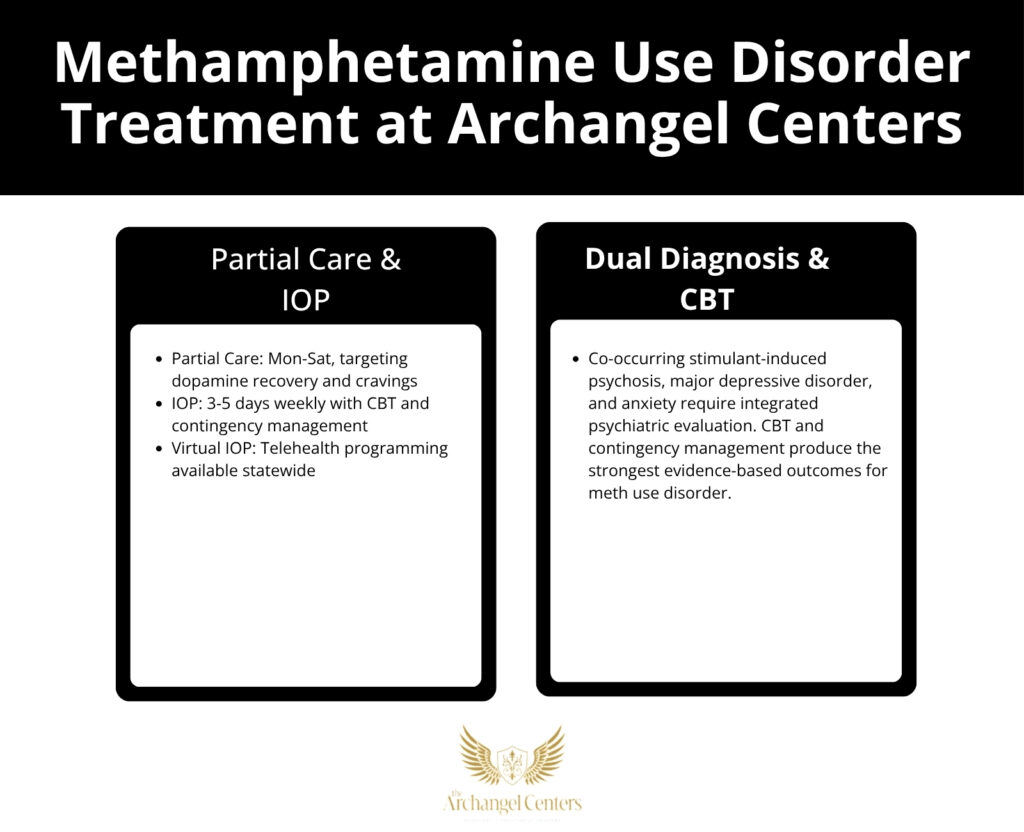
The partial care program delivers intensive daily programming from 9:00 AM to 3:15 PM, Monday through Saturday, incorporating individual therapy, group sessions, and psychiatric services for individuals with methamphetamine use disorder. Weekly individual therapy sessions address the specific cognitive deficits and emotional dysregulation patterns associated with chronic stimulant use.
Intensive Outpatient Program
The intensive outpatient program offers three hours of clinical programming three to five days per week, providing structured support while accommodating work and family responsibilities. Dialectical behavior therapy skills training, relapse prevention, and 12-step facilitation form the clinical foundation of IOP for stimulant use disorders.
Outpatient and Virtual Programs
Step-down outpatient services maintain therapeutic continuity through weekly sessions addressing ongoing recovery challenges, while virtual programming options extend access to individuals unable to attend in-person appointments. Smart Recovery meetings supplement traditional 12-step programming at Archangel Centers.
Archangel Centers offers same-day confidential assessments with insurance verification completed during the initial call.
Frequently Asked Questions
How Is Meth Addiction Treated?
Treatment for methamphetamine use disorder relies on structured behavioral therapies including cognitive behavioral therapy, contingency management, and the Matrix Model. No FDA-approved medication exists specifically for this condition, though clinical trials investigating injectable naltrexone combined with bupropion show promise. Comprehensive treatment also addresses co-occurring psychiatric conditions and supports long-term neurological recovery through sustained abstinence.
Can the Brain Recover From Methamphetamine Use?
Research demonstrates that dopamine transporter density in the striatum shows measurable recovery after 12 to 17 months of sustained abstinence from methamphetamine. Cognitive function improvements in attention and working memory become detectable after approximately 6 months. Full normalization may take several years, and some individuals retain persistent deficits depending on duration and intensity of prior use.
What Does Meth Addiction Look Like?
Visible signs of methamphetamine addiction include rapid weight loss, severe dental deterioration (meth mouth), skin sores from compulsive picking, dilated pupils, and dramatic sleep disruption. Behavioral indicators include prolonged periods of hyperactivity followed by extended crash episodes, paranoid behavior, social isolation, and neglect of personal hygiene and responsibilities.
Is There Medication for Meth Addiction?
Currently, no FDA-approved medication treats methamphetamine use disorder specifically. However, clinical trials investigating injectable naltrexone combined with extended-release bupropion have shown statistically significant reductions in methamphetamine use. Medications addressing withdrawal symptoms and co-occurring psychiatric conditions play important supportive roles in comprehensive treatment.
How Long Does Meth Withdrawal Last?
Acute methamphetamine withdrawal symptoms including fatigue, depression, increased appetite, and intense cravings typically peak within the first 7 to 10 days after last use. Post-acute withdrawal syndrome produces persistent anhedonia, cognitive impairment, and intermittent cravings lasting 6 to 12 months. This extended timeline necessitates sustained engagement in structured treatment programming.
How to Help Someone With Meth Addiction?
Approach the conversation with compassion rather than confrontation, as individuals with methamphetamine use disorder often experience shame and paranoia. Express specific concerns about observable behavioral changes without diagnosing or labeling. Research local treatment options and offer to help coordinate an assessment. Avoid ultimatums during active psychosis or intoxication and prioritize your own safety.
References
- Substance Abuse and Mental Health Services Administration. (2025). Key substance use and mental health indicators in the United States: Results from the 2024 National Survey on Drug Use and Health. https://www.samhsa.gov/data/data-we-collect/nsduh-national-survey-drug-use-and-health/national-releases/2024
- Centers for Disease Control and Prevention. (2026). Drug overdose deaths in the United States, 2023-2024. https://www.cdc.gov/nchs/products/databriefs/db549.htm
- National Institute on Drug Abuse. (2024). Methamphetamine research report. https://nida.nih.gov/publications/research-reports/methamphetamine
- Drug Enforcement Administration. (2024). Methamphetamine drug fact sheet. https://www.dea.gov/factsheets/methamphetamine
- American Psychiatric Association. (2022). Diagnostic and statistical manual of mental disorders (5th ed., text rev.). American Psychiatric Publishing.
- Volkow, N. D., Chang, L., Wang, G. J., et al. (2001). Loss of dopamine transporters in methamphetamine abusers recovers with protracted abstinence. Journal of Neuroscience, 21(23), 9414-9418.
- National Institute on Drug Abuse. (2024). Drug overdose deaths: Facts and figures. https://nida.nih.gov/research-topics/trends-statistics/overdose-death-rates
- MedlinePlus. (2024). Methamphetamine. https://medlineplus.gov/methamphetamine.html
