


Cocaine shows up on most standard tests for 1-4 days after last use, though the window varies by method.
The University of Rochester Medicine Medical Encyclopedia notes that urine tests can detect cocaine metabolites for 2-3 days in occasional users, stretching up to 2 weeks in heavy users. Detection times depend on the test used, how often someone uses, personal metabolism, and body composition.
Cocaine itself breaks down fast, with a half-life of about one hour. But its main byproduct, benzoylecgonine, sticks around much longer in the body. Most tests look for this byproduct rather than cocaine itself, which is why detection windows can range from hours to months depending on what’s being tested.
So how does the body actually process cocaine, and what decides how long each test can pick up evidence of use?
Key Takeaways
- The University of Rochester Medicine Medical Encyclopedia confirms that urine tests can detect cocaine metabolites for 2 to 3 days after occasional use, but this extends to up to 2 weeks in heavy users who use cocaine regularly.
- Hair follicle tests provide the longest detection window at up to 90 days, while blood tests offer the shortest window at 12-24 hours, making test selection crucial for specific detection goals.
- The National Institute on Drug Abuse reports that almost 10 million people over age 11 used cocaine in the year preceding their survey, with almost half using cocaine within the month before the survey, highlighting the widespread need for accurate detection methods.
- Detection times depend heavily on individual factors including metabolism rate, body fat percentage, kidney function, hydration levels, and the frequency and amount of cocaine used.
- Modern drug tests detect benzoylecgonine, cocaine’s primary metabolite, rather than cocaine itself, because this metabolite remains in the system much longer than the parent drug.
How Long Does Cocaine Stay in Urine Tests?
Urine testing represents the most common method for cocaine detection in workplace, legal, and medical settings.
The University of Rochester Medicine Medical Encyclopedia states that urine is the most common sample used. A urine test can detect cocaine metabolites for 2 to 3 days after cocaine use, though in heavy users, the test may be positive for up to 2 weeks after use. Urine tests specifically target benzoylecgonine, the primary metabolite of cocaine, rather than the parent drug itself.
This metabolite forms when the liver processes cocaine and remains detectable much longer than cocaine in its original form. The concentration of benzoylecgonine in urine typically peaks 4-8 hours after cocaine use and gradually decreases over the following days.
Detection windows in urine vary significantly based on usage patterns. Occasional users who consume cocaine infrequently typically test positive for 1-3 days after last use.
| Usage Pattern | Detection Window | Typical Cutoff Level | Confirmation Required |
|---|---|---|---|
| Single Use | 1-3 days | 300 ng/mL (screening) | 150 ng/mL (GC-MS) |
| Occasional Use | 2-4 days | 300 ng/mL (screening) | 150 ng/mL (GC-MS) |
| Regular Use | 4-7 days | 300 ng/mL (screening) | 150 ng/mL (GC-MS) |
| Heavy/Chronic Use | 10-14 days | 300 ng/mL (screening) | 150 ng/mL (GC-MS) |
The Substance Abuse and Mental Health Services Administration establishes standardized cutoff levels for workplace testing. Initial screening tests use a 300 ng/mL threshold while confirmatory tests use 150 ng/mL. This approach reduces false positive results while maintaining detection sensitivity.
Regular users who consume cocaine weekly may show positive results for 4-7 days, while heavy, chronic users can test positive for 10-14 days due to accumulated metabolite concentrations in body tissues.
What Are the Detection Windows for Blood, Hair, and Saliva Tests?
Blood testing provides the shortest detection window but offers the most accurate indication of recent cocaine use.
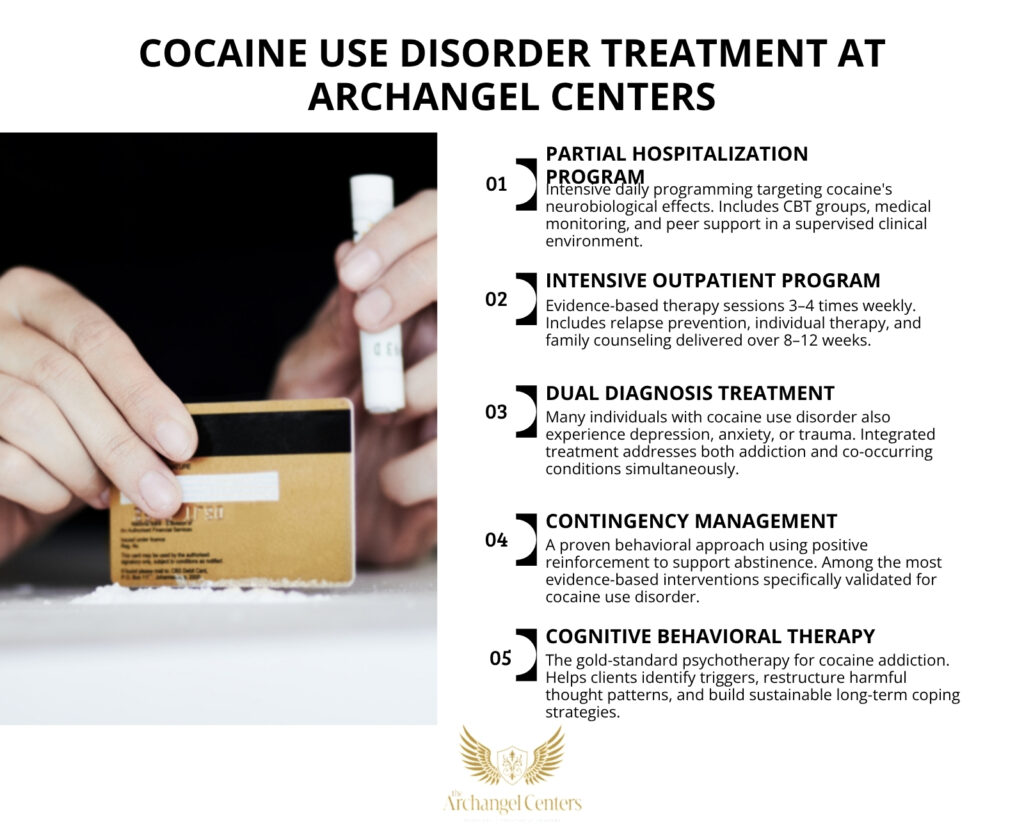
Cocaine remains detectable in blood for 12-24 hours after last use, making blood tests ideal for determining acute impairment or very recent consumption. The cocaine concentration in blood peaks within 30-60 minutes of use and decreases rapidly due to the drug’s short half-life. Blood tests can detect both the parent drug and its metabolites with high accuracy. Healthcare providers often prefer blood testing in emergency situations where immediate impairment assessment is necessary.
Hair follicle testing delivers the longest detection window of all methods, identifying cocaine use up to 90 days after consumption.
Hair tests detect cocaine and its metabolites that become incorporated into the hair shaft as it grows. Since hair grows approximately 0.5 inches per month, a standard 1.5-inch hair sample can reveal drug use patterns over the previous three months. Saliva testing offers a middle ground with detection windows of 1-2 days after last use. Oral fluid testing provides additional advantages in detecting recent use, as cocaine appears in saliva within minutes of consumption and maintains detectable levels for 12-24 hours depending on the dose and individual factors.
Which Factors Affect How Long Cocaine Stays Detectable?
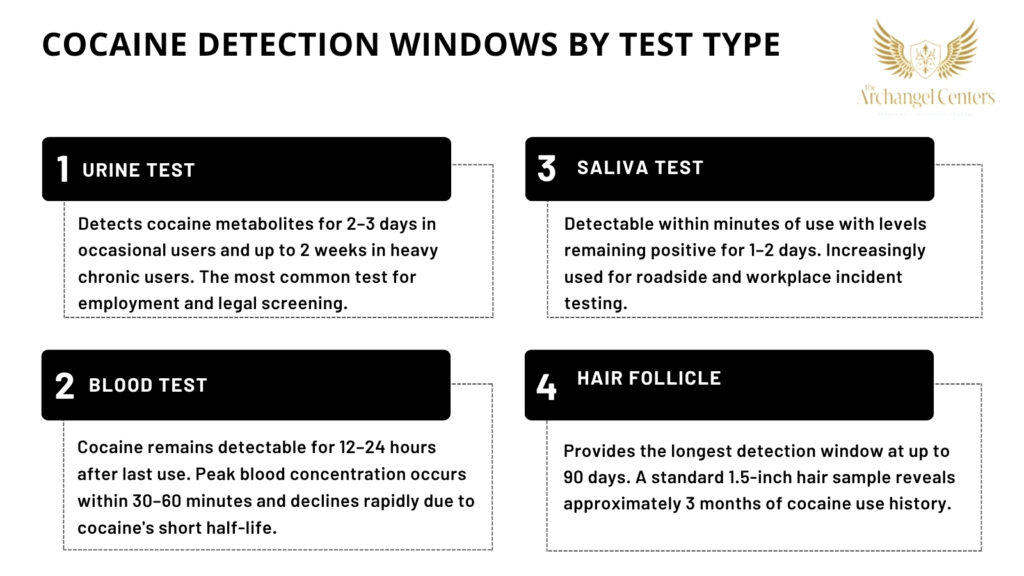
Individual metabolism rates significantly influence cocaine detection times.
Faster metabolizers clear the drug and its metabolites more quickly than those with slower metabolic processes. Genetic variations in liver enzymes, particularly those responsible for cocaine breakdown, create substantial person-to-person differences in elimination speed. Body composition plays a crucial role in detection windows, with higher body fat percentages potentially retaining cocaine metabolites longer. Individuals with lower body fat and higher muscle mass typically eliminate cocaine more rapidly due to enhanced circulation and metabolic activity.
Hydration levels and kidney function directly impact urinary elimination of cocaine metabolites. Well-hydrated individuals with normal kidney function clear metabolites faster than those who are dehydrated or have compromised renal function.
Frequency and amount of cocaine use create cumulative effects on detection times. Single-use occasions result in shorter detection windows, while chronic use leads to metabolite accumulation in body tissues, extending the period during which tests remain positive. The purity of cocaine consumed also influences detection, as higher-purity products typically produce more metabolites than heavily adulterated substances. Chronic dehydration can extend detection windows by concentrating metabolites in urine samples.
How Does Your Body Process and Eliminate Cocaine?
Cocaine undergoes rapid metabolism in the liver through hydrolysis and demethylation pathways.
The primary metabolic pathway converts cocaine into benzoylecgonine through enzymatic breakdown. A secondary pathway produces ecgonine methyl ester. These metabolites remain in the body much longer than the parent drug. The half-life of cocaine in plasma averages 30-60 minutes, meaning the drug concentration decreases by half within this timeframe. However, benzoylecgonine has a much longer half-life of 6-8 hours, explaining why drug tests target this metabolite rather than cocaine itself for extended detection capabilities.
Most cocaine and its metabolites eliminate through urine, with smaller amounts excreted through feces, sweat, and expired air.
The kidneys filter benzoylecgonine from the blood and concentrate it in urine. This metabolite remains detectable long after cocaine’s psychoactive effects have subsided. When cocaine is consumed with alcohol, the liver produces cocaethylene, a unique metabolite with an extended half-life of 2-4 hours. This compound can further prolong detection windows and increase toxicity risks.
How Accurate Are Different Cocaine Tests?
Modern cocaine testing demonstrates high accuracy when proper protocols are followed.
Initial screening tests show high sensitivity rates while confirmation testing achieves excellent specificity. Immunoassay screening tests occasionally produce false positives due to cross-reactivity with certain medications or medical conditions. Gas chromatography-mass spectrometry (GC-MS) confirmation testing provides definitive identification of cocaine metabolites with very high accuracy rates. This method eliminates false positives by specifically identifying the molecular structure of benzoylecgonine rather than relying on antibody reactions. Proper chain-of-custody procedures and laboratory certification ensure reliable results.
False negative results can occur when testing is performed too early after use, before sufficient metabolite concentrations accumulate.
Testing too late when levels have dropped below detection thresholds also produces false negatives. Sample dilution through excessive fluid intake can reduce metabolite concentrations below cutoff levels. Certain medications can potentially cause false positive results on initial screening tests, including some local anesthetics containing cocaine derivatives. However, these are rare in modern medical practice, and confirmation testing readily distinguishes between legitimate medical cocaine use and illicit consumption patterns.
What Should You Know About Workplace and Legal Testing?
The Department of Transportation maintains strict drug testing requirements for safety-sensitive positions.
DOT mandates both pre-employment and random testing for cocaine and other controlled substances. DOT testing follows standardized procedures with specific cutoff levels and confirmation requirements to ensure accuracy and legal defensibility. The Substance Abuse and Mental Health Services Administration provides federal workplace testing guidelines that many private employers adopt voluntarily. These guidelines specify collection procedures, laboratory standards, and medical review officer requirements to protect both employer and employee interests.
Legal proceedings often require chain-of-custody documentation and confirmation testing to ensure evidence admissibility in court.
Defense attorneys may challenge testing procedures, cutoff levels, or individual factors that could affect detection times. This makes proper documentation crucial for legal cases. Pre-employment screening typically uses standard cutoff levels, while post-accident or for-cause testing may employ lower thresholds. These lower thresholds help detect any recent use that could have contributed to workplace incidents or performance issues.
When Should Someone Seek Help for Cocaine Use?
Frequent concerns about cocaine detection times often indicate problematic use patterns that may require professional intervention.
The National Institute on Drug Abuse notes that cocaine is a Schedule II drug with high potential for misuse. Regular use can quickly develop into cocaine use disorder. Warning signs that suggest professional help may be beneficial include inability to control cocaine use despite negative consequences. Additional red flags include tolerance requiring increased amounts to achieve desired effects, withdrawal symptoms when use stops, and continued use despite health, legal, or relationship problems.
Cocaine use disorder represents a chronic brain condition characterized by compulsive drug seeking despite harmful consequences.
Professional treatment addresses both the physical dependence and psychological aspects of addiction through evidence-based approaches. These include cognitive behavioral therapy, contingency management, and medical support. Early intervention improves treatment outcomes significantly, and numerous evidence-based programs help individuals overcome cocaine addiction and maintain long-term recovery. Treatment centers offer various levels of care from intensive outpatient programs to residential treatment depending on individual needs and circumstances.
How Do Cocaine Detection Times Compare to Other Stimulants?
Cocaine eliminates from the body significantly faster than most other stimulant drugs due to its unique metabolic pathway and short half-life.
While cocaine metabolites typically clear from urine within 2-3 days for occasional users, amphetamines and methamphetamines can remain detectable for 3-5 days under similar circumstances. The rapid metabolism of cocaine contrasts sharply with prescription stimulants like Adderall or Ritalin. These medications can remain detectable in urine for 1-3 days but often produce longer detection windows due to their extended-release formulations. Different metabolic pathways also contribute to these variations in elimination speed.
Methamphetamine presents the longest detection window among common stimulants.
Urine tests remain positive for 3-6 days in occasional users and up to 10 days in chronic users. This extended detection results from methamphetamine’s slower metabolism and the formation of persistent metabolites. Hair follicle testing shows less variation between stimulants, with most amphetamines, methamphetamines, and cocaine detectable for the standard 90-day window. However, the incorporation rates into hair differ, with some stimulants requiring higher doses or more frequent use to achieve detectable hair concentrations.
Treatment for Cocaine Use Disorder
Stimulant Addiction Treatment
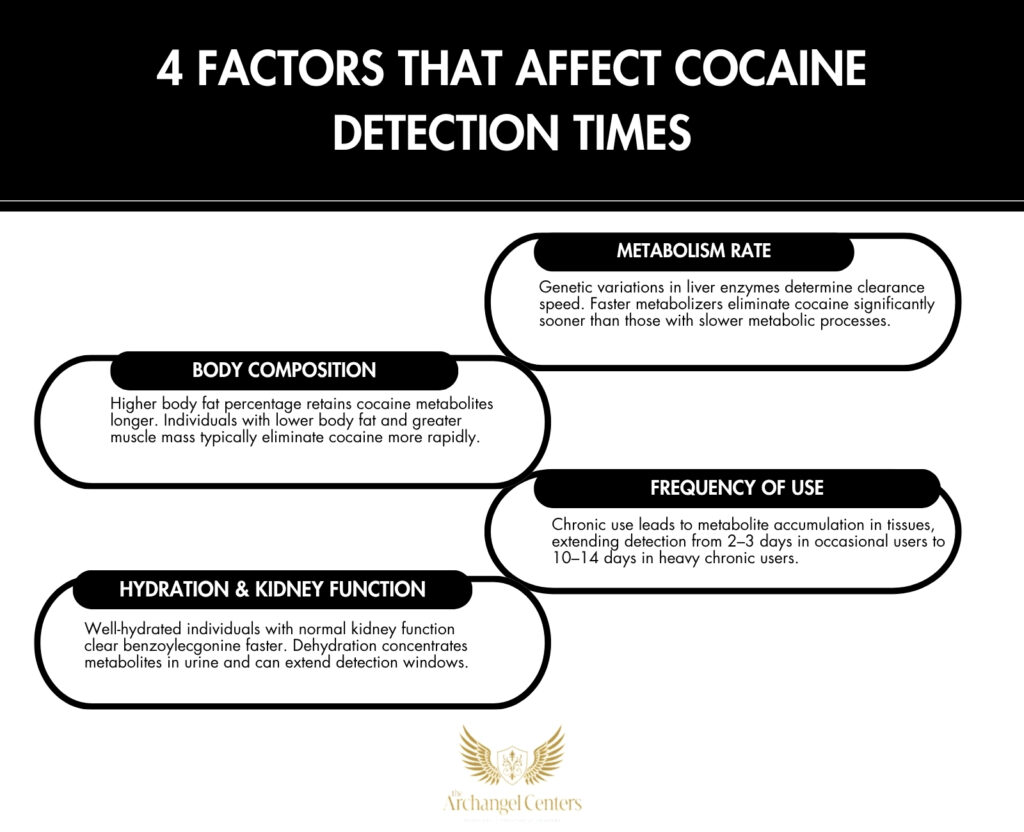
Comprehensive stimulant addiction treatment addresses the complex neurobiological changes that occur with chronic cocaine use.
Treatment programs focus on behavioral interventions, medical support, and long-term recovery planning to help individuals achieve sustained abstinence. Evidence-based approaches include cognitive behavioral therapy, contingency management, and community reinforcement strategies. These methods target the psychological aspects of cocaine addiction while addressing co-occurring mental health conditions.
Partial Hospitalization Programs
Our partial hospitalization programs provide intensive daily treatment while allowing individuals to maintain work and family responsibilities.
These programs offer structured therapeutic activities, medical monitoring, and peer support in a supervised clinical environment. PHP services typically include individual therapy, group counseling, family therapy, and medical management. This level of care benefits individuals requiring intensive support without 24-hour residential care.
Intensive Outpatient Programs
The intensive outpatient program delivers comprehensive addiction treatment through evening or weekend sessions that accommodate work and school schedules.
IOP provides evidence-based therapies while supporting continued participation in daily life activities. These programs typically meet 3-4 times per week for 3-4 hours per session. Treatment includes individual therapy, group therapy, family counseling, and relapse prevention education over 8-12 weeks.
Dual Diagnosis Treatment
Many individuals with cocaine use disorder also experience co-occurring mental health conditions such as depression, anxiety, or trauma-related disorders. Dual diagnosis treatment addresses both conditions simultaneously for optimal recovery outcomes.
Integrated treatment approaches recognize that untreated mental health symptoms often contribute to continued substance use. These specialized programs provide care that addresses both addiction and psychological wellness through coordinated treatment planning and comprehensive therapeutic interventions.
The Bottom Line
Cocaine detection times range from 12 hours in blood to 90 days in hair, with urine tests detecting metabolites for 2-3 days in occasional users and up to 2 weeks in chronic users. Professional addiction treatment provides evidence-based support for individuals struggling with cocaine use disorder.
If you or someone you care about is struggling with cocaine use, our admissions team can provide information about available treatment options and help determine the most appropriate level of care for lasting recovery.
Frequently Asked Questions
Can you flush cocaine out of your system faster with water or detox products?
No reliable method can significantly accelerate cocaine elimination from the body beyond normal metabolic processes. While adequate hydration supports normal kidney function, excessive water consumption does not speed up the breakdown of cocaine metabolites and may dilute urine samples to invalid levels. Commercial detox products have no scientific evidence supporting their effectiveness and may contain harmful substances or interfere with legitimate medical care. The liver metabolizes cocaine at a fixed rate determined by individual genetics and physiology.
Will secondhand cocaine smoke show up on a drug test?
Passive exposure to cocaine smoke is extremely unlikely to produce positive drug test results at standard cutoff levels. The concentrations of cocaine absorbed through secondhand smoke are typically much lower than those from direct use. Standard workplace testing cutoffs of 300 ng/mL are designed to eliminate false positives from environmental exposure. However, individuals with significant occupational exposure in laboratory or law enforcement settings should inform testing personnel about potential environmental contamination to ensure proper test interpretation.
How long after using cocaine will you test positive on a hair follicle test?
Hair follicle tests typically detect cocaine use beginning 7-10 days after consumption, as this represents the time needed for drug-containing hair to grow above the scalp surface. The test can then identify cocaine use for up to 90 days from the date of consumption depending on hair length and growth rate. Hair tests cannot detect use within the first week because the hair containing metabolites has not yet emerged from the follicle. This creates a detection gap where recent use may not appear on hair testing but would show up in urine or saliva tests.
What medications can cause false positive results for cocaine?
Very few legitimate medications cause false positive cocaine results on modern drug tests. Some topical anesthetics used in nasal surgery contain cocaine derivatives, but these are rare in current medical practice and typically require disclosure to testing personnel. Certain herbal supplements or teas containing coca leaves could theoretically produce positive results, though these products are illegal in many jurisdictions. Confirmation testing using gas chromatography-mass spectrometry easily distinguishes between medical cocaine exposure and recreational use by analyzing specific metabolite patterns and concentrations in biological samples.
How accurate are home drug test kits for detecting cocaine?
Home drug test kits generally provide reliable screening results when used correctly, with accuracy rates similar to professional laboratory screening tests. However, they cannot provide the definitive confirmation available through laboratory gas chromatography-mass spectrometry testing. Home tests may produce false positives that require professional confirmation testing, and they cannot quantify cocaine levels or distinguish between different types of exposure. Proper sample collection and following kit instructions precisely are essential for accurate results. Any positive home test result should be confirmed through professional laboratory analysis for legal or employment purposes.
Does the method of cocaine use affect detection times?
The route of cocaine administration influences how quickly the drug enters the bloodstream but does not significantly alter overall detection windows in most testing methods. Smoking or injecting cocaine produces faster onset and higher peak concentrations than snorting, but the total amount of metabolites produced remains similar. Hair testing may show slight variations based on administration method due to differences in how metabolites incorporate into hair follicles through blood circulation versus external contamination. The liver metabolizes cocaine at consistent rates regardless of how the drug entered the system initially.
Can medical conditions affect cocaine detection times?
Certain medical conditions can alter cocaine detection times, particularly those affecting liver or kidney function. Liver disease may slow cocaine metabolism, potentially extending detection windows, while kidney disease can affect the elimination of metabolites through urine. Pregnancy can also affect drug metabolism due to hormonal changes and altered kidney function. Individuals with these conditions should inform testing personnel about their medical status to ensure proper interpretation. Age-related changes in metabolism and certain medications can also influence how quickly the body processes and eliminates cocaine metabolites.
Will exercise or saunas help eliminate cocaine faster?
Exercise and saunas do not significantly accelerate cocaine elimination beyond supporting general health and normal metabolic function. While physical activity may slightly increase metabolism, the effect on cocaine clearance is minimal compared to individual genetic factors and usage patterns. Excessive exercise or heat exposure can be dangerous and may interfere with normal hydration status. This could potentially affect test results through sample dilution or concentration rather than actually speeding elimination. The liver processes cocaine at predetermined rates that cannot be substantially altered through lifestyle interventions.
References
- Department of Transportation. (2024). Drug and alcohol testing requirements for safety-sensitive positions. Retrieved from https://www.transportation.gov
- National Institute on Drug Abuse. (2024). Cocaine classification and misuse potential. Retrieved from https://nida.nih.gov
- Substance Abuse and Mental Health Services Administration. (2024). Federal workplace drug testing guidelines and cutoff levels. Retrieved from https://samhsa.gov
- University of Rochester Medicine Medical Encyclopedia. (2024). Cocaine detection in urine testing.