


I had the title. The salary. The carefully curated life.
I also had vodka hidden in the laundry room and a browser history full of “am I an alcoholic if…”
But I was still showing up to work. Still making the parent-teacher conferences. Still checking all the “functioning adult” boxes.
So when someone brought up the idea of an intensive outpatient program, I laughed it off.
That’s for people who’ve lost everything, I thought.
I’m still doing okay.
Until I wasn’t.
High-Functioning Doesn’t Mean Safe
What no one tells you is that “high-functioning” is just a more expensive way to fall apart. You get to look good while slowly destroying yourself. Bonus points if you keep your sense of humor.
I told myself:
- If I can make it to work, I don’t need help.
- If I’m not drinking in the morning, I’m not like “those” people.
- If no one’s caught me, I must be in control.
But control was the first thing I lost. Quietly. Privately. With a smile on my face and an espresso in my hand.
The Problem with Looking Fine
My inbox was under control. My deadlines were met. I was the friend who remembered birthdays and brought wine to dinner parties.
But behind the scenes?
- I was budgeting around my drinking, not my bills.
- I was hiding empty bottles in the garage.
- I was watching myself lie to people I loved—and feeling nothing.
It didn’t feel dramatic. It felt efficient. That’s what scared me most.
When I started thinking about treatment, I didn’t think I was “bad enough.” I thought I was too functional, too busy, too old, too respected to be someone who needed a program. But what I really was… was exhausted.
IOP Was the Last Thing I Expected—and the First Thing That Worked
I thought IOP meant I’d have to stop my life.
What I didn’t know is that intensive outpatient programs are built for people with lives. For people with jobs, families, and routines. For people like me—who didn’t want to disappear into treatment, but desperately needed help staying afloat.
At first, it felt awkward. Like sitting in a room I wasn’t supposed to be in. But by the end of the first week, I’d met three people who looked just like me—tired, sharp, scared, still trying.
And that’s what IOP gave me. Permission to still be trying.
What I Learned When I Stopped Hiding Behind My Resume
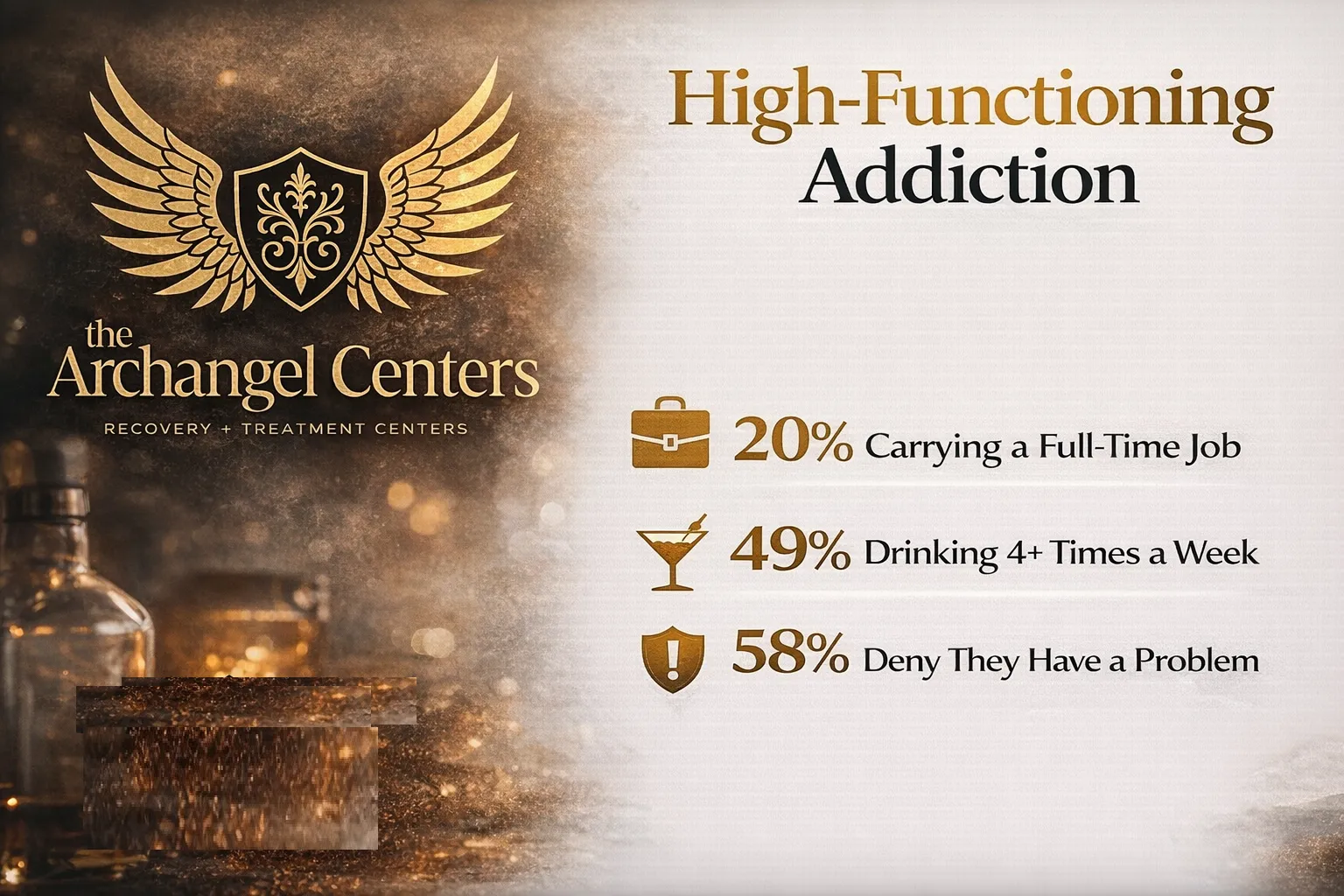
The truth is, success had become my mask. If I could keep performing, I didn’t have to admit I was drowning.
But treatment taught me that strength isn’t pretending everything’s fine. It’s letting someone see you when it’s not.
Group therapy cracked something open in me. The one-on-one sessions helped me name things I’d been avoiding for years. And the routine—three days a week, a few hours at a time—became the scaffolding I rebuilt my life on.
IOP didn’t ask me to quit being a parent, a partner, or a professional. It just asked me to stop being a liar. First to myself. Then to everyone else.
You Can Look Like You’re Winning and Still Be in Trouble
That’s the thing with high-functioning addiction: no one sees it until it’s late. Sometimes not even you.
You can:
- Wake up early and still spiral at night.
- Crush meetings and still cry in the car.
- Love your kids and still need a drink just to eat dinner.
You don’t need to lose everything to get help.
You don’t need to hit bottom.
You just need to decide this isn’t working anymore.
And if you’re like me, that decision won’t come with fireworks. It’ll come on a Tuesday afternoon when you realize you’re tired of lying to yourself.
IOP Let Me Keep My Life—But Live It Honestly
That’s what no one tells you. IOP isn’t a last resort. It’s a lifeline.
It gave me the space to:
- Keep working while actually getting well
- Face my patterns without blowing up my life
- Reconnect with my partner, my kids, and myself
- Build something sustainable—without the secrecy
The structure kept me accountable. The group kept me real. The clinicians didn’t sugarcoat anything, but they also didn’t make me feel broken.
They saw someone who’d been managing for too long—and gave me a space to actually heal.
If You’re High-Functioning and Struggling, You’re Not Alone
There are a lot of us out here—smart, competent, exhausted. People who are scared to ask for help because it feels like admitting weakness.
It’s not weakness.
It’s clarity.
There’s real care available in your area—not a judgmental lecture, not a rigid box you have to squeeze into. Just people who get it. People who know what it’s like to be hiding in plain sight.
You don’t have to keep holding it together just to prove you’re okay.
You don’t have to earn help by falling apart first.
You just have to reach out.
FAQs About IOP for High-Functioning People
What exactly is an intensive outpatient program?
An IOP is a structured form of treatment that allows you to live at home while attending therapy multiple times per week. It’s designed for people who need more than weekly therapy—but don’t require 24/7 care.
Can I keep working while in IOP?
Yes. Most intensive outpatient programs are scheduled in the evenings or mornings to accommodate work, school, or caregiving.
Will I be in a group with people very different from me?
Possibly—but that’s the point. You may be surprised how many “successful” people are sitting in that room too. Addiction doesn’t care what your job title is.
What if I’m not sure my problem is “serious enough”?
If you’re even asking that question, something in you knows this isn’t sustainable. You don’t need to wait until it gets worse.
Do I have to stop everything right away?
Not necessarily. Some IOPs work with harm-reduction goals. Others help you build toward sobriety. You’ll work with clinicians to set a plan that fits where you’re at.
Will people find out?
IOP is confidential. Most programs won’t contact your employer or family unless you request it or there’s a safety concern.
Is this just a step before rehab?
No. For many high-functioning people, IOP is the right level of care. It’s not about what comes next—it’s about what’s right now.
This Doesn’t Have to Be the End of Your Story
You don’t have to hit bottom to say “enough.”
You can keep your job and still ask for help.
You can be respected and still need support.
You can be strong and still be struggling.
There’s no prize for holding it together the longest. But there is peace in finally letting someone hold some of it with you.
You Don’t Have to Keep Holding It Together Alone
Call (888) 464-2144 to learn more about our Intensive Outpatient Program in New Jersey.
