



You thought the worst was behind you.
They went to treatment. Got clean. Started smiling again. Maybe even moved back home, went back to school, or held down a job. You could breathe again.
And then one phone call… one missed class… one too-familiar look in their eyes—and the bottom dropped out. Again.
If you’re here because your son or daughter is drinking again after treatment, you are not alone. And you haven’t failed them.
At Archangel Centers in Tinton Falls, New Jersey, we support families through the grief and complexity of relapse—without blame, and without shame. Alcohol addiction treatment doesn’t stop being helpful just because your child slipped. In many cases, it becomes more meaningful than ever.
Why a Setback Hurts So Deeply
When your child relapses, it can feel like betrayal—of their promise, of your hope, of the progress you celebrated together. Even if you know addiction is a chronic condition, your heart still breaks.
You may feel confused, numb, furious, or all three in the span of a minute. Your mind might spiral:
- “Did they lie the whole time?”
- “Did I let my guard down too soon?”
- “Are we going back to square one?”
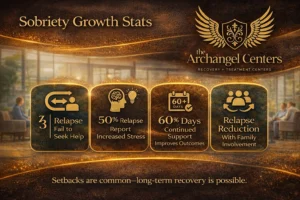
Here’s the reality: setbacks are incredibly common in recovery. Not because treatment failed—but because recovery is a long-term, non-linear process. Think of it like managing any other chronic illness—flare-ups happen, even when people are trying. Even when they know better.
The pain you’re in is real. The disappointment, the grief, the panic—they’re not signs you’re weak. They’re signs you care. And caring is still allowed, even now.
Alcohol Addiction Treatment Can Still Help—Yes, Even Now
Sometimes relapse makes families feel like there’s nothing left to try. You already sent them to treatment. They already went. Why would it work again?
But here’s what many families don’t realize: post-relapse treatment is often more impactful. Why?
Because your child now knows something they didn’t before:
- What sobriety felt like
- What helped—and what didn’t
- What they miss when alcohol comes back into their life
They’re no longer entering treatment blind. Neither are you.
At this stage, alcohol addiction treatment can help:
- Reassess underlying triggers that went unaddressed
- Identify gaps in their aftercare or environment
- Offer new support strategies tailored to this phase
- Rebuild trust within your family unit—at your pace
You’re Not Just a Bystander—You’re Part of the Healing
Families carry more than they show.
The sleepless nights. The emergency calls. The hope held tightly in your chest every time your phone rings.
Too often, when relapse happens, parents are left out of the next steps. But your role matters. And your wellbeing matters, too.
That’s why treatment centers like Archangel offer family-specific services such as:
- Family therapy: Guided sessions to help you speak honestly, reconnect, and set boundaries without ultimatums.
- Parent education groups: Learn about the relapse cycle, enabling vs. supporting, and how to care for yourself.
- Emotional support for caregivers: Because your grief deserves space, too.
If you’re searching for accessible care near your community, consider our local programs in Central New Jersey and East Windsor. Support is closer than you think.
Recovery Isn’t a One-Time Event—It’s a System of Re-Entry
It’s easy to see relapse as a reset. A wipeout. A start-over moment.
But in truth, most long-term recoveries are built from multiple re-entries—times when a person steps back in, learns something deeper, and rebuilds with new insight.
The same applies to families.
You’re not back at zero. You have context now. Hard-won wisdom. Your child does, too. That matters.
Here’s what treatment can look like the second (or third) time around:
- Short-term stabilization: Addressing immediate needs, physical safety, or detox if required.
- New treatment format: Maybe IOP instead of inpatient, or more trauma-focused care.
- Re-engagement of family systems: Acknowledging what’s changed since the last time.
- Peer support layering: Introducing alumni networks or long-term coaching for accountability.
Every round can deepen resilience—not erase what came before.
You’re Allowed to Feel This Loss—And Still Hope
There’s a specific kind of grief that comes with relapse.
Not just the fear of losing your child—but the mourning of who you thought they’d become.
It’s okay to feel angry. To feel robbed. To feel like your heart is cracking open again.
But please know: relapse doesn’t undo their potential. And your heartbreak doesn’t mean you’ve lost hope.
There is no timeline for healing. No expiration date for help.
“I thought I had failed him. But then I remembered—recovery wasn’t about him doing it perfectly. It was about him staying open to doing it again.”
– Parent, son returned to treatment after 14 months sober
This is not the end of the road. It’s a sharp turn. And we’ll help you both find footing again.
What to Expect Emotionally After a Setback
You may experience:
- Anger toward your child, yourself, or even the treatment system
- Fear of losing your child to substance use again
- Guilt about missing warning signs or not setting limits
- Shame when talking to friends or family
- Numbness after so much emotional effort
All of these are valid.
You don’t have to feel strong to keep showing up. And you don’t have to process this alone. Treatment support for families is not just optional—it’s essential.
Frequently Asked Questions from Parents After Relapse
How common is relapse in alcohol addiction recovery?
Relapse rates for alcohol use disorder can be as high as 40–60%. This doesn’t mean treatment failed. It means recovery is a chronic process that often includes setbacks.
Is it worth sending them back to treatment?
Yes. Especially if your child expresses any willingness to return. Treatment after relapse can address deeper layers and offer more tailored support based on what didn’t work before.
What if they won’t go?
You can’t force someone to want help. But you can set boundaries, offer clear choices, and make sure you’re supported while they decide. A therapist or family support group can help guide you through this.
Should I tell extended family or keep it private?
That’s a deeply personal decision. Many parents benefit from telling a trusted few who can offer support—not judgment. Isolation can intensify guilt. You deserve connection, too.
Can I get support even if my child doesn’t go back to treatment?
Yes. Many families seek therapy, peer groups, or educational resources regardless of their child’s next steps. Your healing isn’t dependent on their choices.
Healing Begins Where Blame Ends
We know it hurts.
We know it feels like starting over.
But you’re not back at zero—and neither is your child.
The path ahead may look different than you pictured. It might be longer, bumpier, and more uncertain. But there is still a path.
You don’t have to navigate this alone.
Call (888) 464-2144 or visit Alcohol Addiction Treatment in Tinton Falls, New Jersey. Whether this is your first phone call or your fifth, your family still matters—and there’s still help available.
