



From the outside, I looked fine.
I was productive. I kept up with work. I paid my bills on time. I wasn’t slurring my words or getting DUIs. My life didn’t look like it was falling apart.
But inside? I was exhausted. Emotionally numb. Always managing something under the surface that I didn’t want to name.
Alcohol didn’t wreck my life—it quietly ran it.
And for years, that was enough of an excuse to avoid asking the real questions. Until it wasn’t. Until I found myself staring at my own reflection one Sunday morning, hungover but functioning, and wondering: What am I even doing anymore?
That moment led me to an intensive outpatient program in New Jersey. Not because I had hit bottom, but because I was tired of lying to myself. I wanted more from my life—and I didn’t want to lose everything to get it.
I Thought I Was Managing It—Until I Realized I Was Just Avoiding Myself
The drinking was subtle at first. A glass of wine while making dinner. A cocktail to “unwind” after work. Then two. Then three. It became a routine—a ritual that no one questioned, least of all me.
Because I showed up.
To meetings. To dinner. To texts. To birthdays. I wasn’t missing. But I also wasn’t really present.
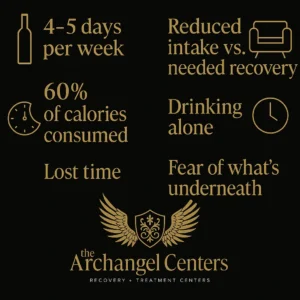
Here’s the part no one talks about: high-functioning addiction feels like a secret you’re keeping from yourself. Because you’re not ruining anything. You’re just numbing it. Slowly. Quietly. Consistently.
I didn’t call it addiction. I called it coping. Until even that didn’t feel honest anymore.
The Quiet Search for Help (Without Making a Scene)
One night, I typed something like “am I drinking too much if I still go to work?” into Google.
Then I clicked through a few links and found Archangel Centers. I saw something about an intensive outpatient program in Central New Jersey and paused.
It wasn’t residential. It didn’t mean giving up everything. Just structured support, a few hours a day, a few days a week. I didn’t have to disappear to get help.
That mattered.
Because I wasn’t ready to tell the world something was wrong. But I was ready to stop pretending it wasn’t.
My First Day in IOP: Terrifying and Exactly Right
Walking into that first IOP group session was uncomfortable. I had convinced myself everyone would be worse off than me.
And in some ways, they were. But in other ways, they weren’t. Their lives had broken out loud. Mine had just broken quietly.
What shocked me was how much I recognized myself in their stories—not the details, but the feelings:
- Using alcohol to manage stress
- Hiding how much they drank from loved ones
- Feeling like they weren’t really living—just performing
That first week, I didn’t talk much. But I listened. And something started to shift.
What Intensive Outpatient Really Looked Like for Me
IOP wasn’t about stripping me down. It was about peeling back the layers I’d built up over years.
A typical week included:
- Group sessions: Where I got to be real, for the first time in years, without judgment
- Individual counseling: Where I unpacked not just drinking, but why I needed it
- Psychoeducation: Where I actually learned how alcohol had shaped my brain, my sleep, my emotions
- Accountability: Where I learned that structure isn’t punishment—it’s freedom
The staff didn’t treat me like I was broken. They treated me like someone finally ready to show up.
They met me with honesty—not sugarcoating, but not shame either. Just… reality. And that felt like a relief.
I Didn’t Lose My Job—I Got My Life Back
I worked through IOP. I didn’t disappear from my world. I still did my job, showed up for people, and kept moving forward.
What changed was this: I wasn’t hiding anymore.
The lies—“just one drink,” “I’m fine,” “I’ve got this under control”—stopped feeling like protection. They felt like weights. And once I started speaking honestly in group, they began to fall off.
There was no dramatic transformation moment. No lightning bolt. Just day after day of telling the truth. And one day, I noticed: I wasn’t waiting for 5 p.m. anymore.
I was living.
Looking for an intensive outpatient program in East Windsor, New Jersey? Archangel has multiple locations for people like us—people who need change without losing everything to get there.
The Hardest Part Was Giving Myself Permission to Need Help
If you’re high-functioning, asking for help feels like failure. But it’s not. It’s clarity.
Addiction doesn’t always come crashing in. Sometimes it just erodes the edges of your life—until you’re a stranger to yourself.
What I learned in IOP was that you don’t have to hit rock bottom to want more. You can be doing okay and still be done with pretending.
That’s not weakness. That’s wisdom.
FAQ: Intensive Outpatient Program for High-Functioning Professionals
Do I have to stop working to attend an IOP?
Not at all. Most intensive outpatient programs are designed to fit around work and family schedules. That’s part of what makes them so accessible.
How do I know if I’m “bad enough” for treatment?
If you’re asking that question, something inside you is ready for honesty. You don’t need to hit a specific threshold. You just need to want change.
Is IOP only for people who are already sober?
No. Many people start IOP while still drinking. The goal is to create space for change—not to expect perfection from day one.
Will people at work or in my life find out?
IOP is confidential. You don’t need to disclose your participation unless you choose to. The decision is yours.
What happens after IOP ends?
Good programs like Archangel Centers provide ongoing support—through outpatient therapy, alumni groups, or referrals. You won’t be left hanging.
Final Thoughts: Functioning Is Not the Same as Living
If you’re high-functioning but feel hollow, you’re not imagining it. If alcohol helps you cope but leaves you numb, you’re not alone. And if you’re tired of pretending—tired of performing—there’s a way forward.
Archangel Centers offers intensive outpatient programs in Tinton Falls and beyond that are made for people like us—people who don’t want to fall apart to start getting better.
Call (888) 464-2144 to learn more about our intensive outpatient program services in Tinton Falls, New Jersey.
You don’t have to break your life to rebuild it. You just have to be honest—and willing to begin.
