


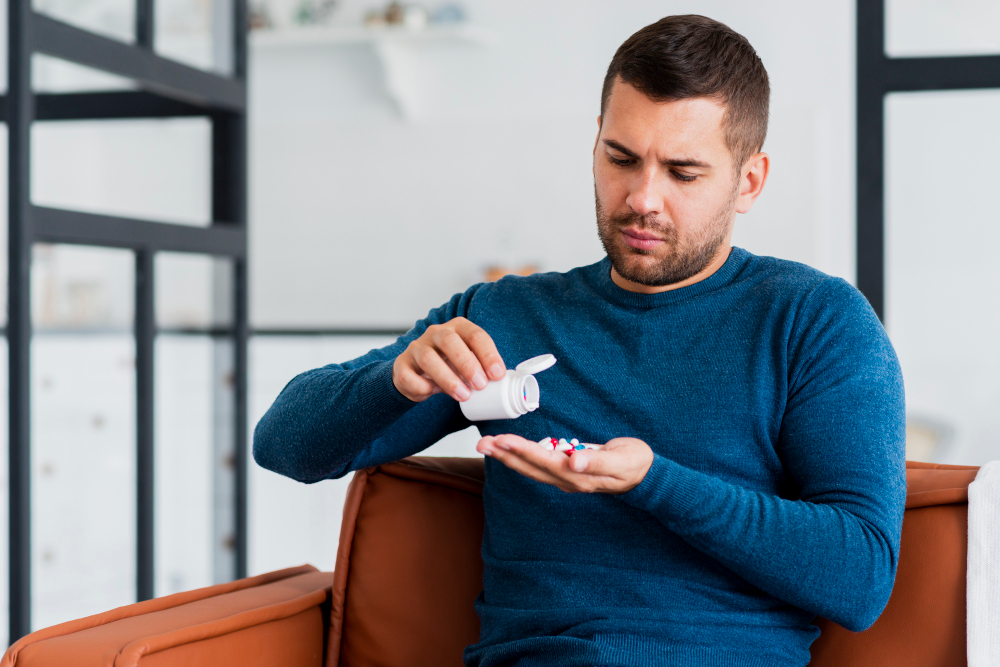
You’ve taken the first step of seeking treatment for opiate addiction, and you are making progress. Detox may have involved medication to help with withdrawal, or prescriptions to help with anxiety or depression. Then you entered a treatment program and are making progress. But the dark thoughts never quite go away.
This is not uncommon. Addiction to substances like alcohol and drugs changes your brain and body chemistry. Healing and recovery take time. At Archangel Centers, our professional addiction treatment specialists understand how mental health and addiction are interconnected.
When Opiate Addiction Treatment and Depression Overlap
When you’re coming off opiates, your body starts to wake up again. Emotions you haven’t felt in months, or even years, can suddenly hit hard. Sadness. Hopelessness. Thoughts that life might not be worth it.
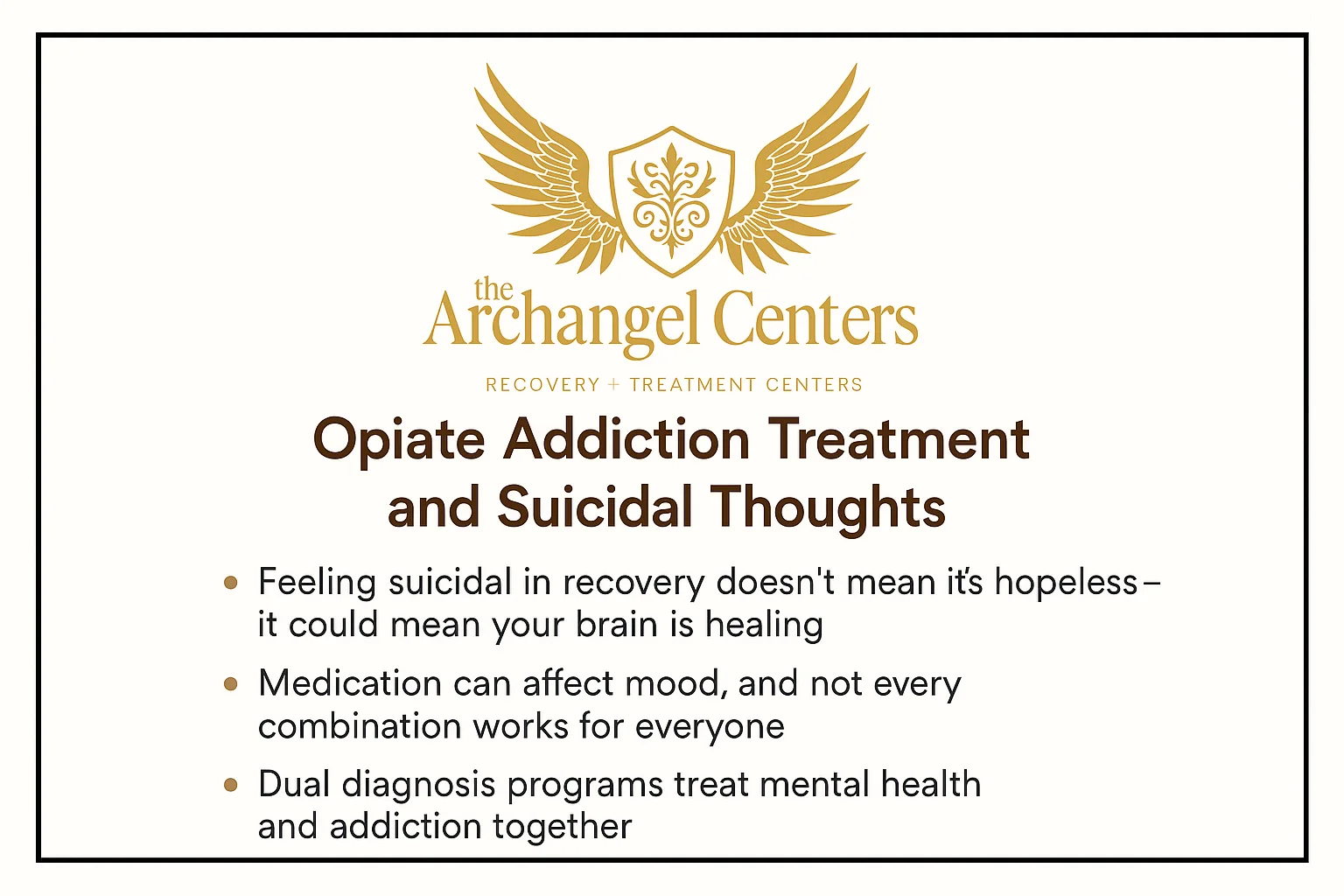
You might think something’s wrong with you because you’re supposed to be “getting better.” But feeling worse before you feel better is actually very common in early recovery. Opiates change how your brain produces and uses chemicals that control mood. When those chemicals begin to rebalance, it can leave you feeling empty, restless, or deeply low.
It’s not a sign that you’re weak. It’s a sign that your brain is trying to heal.
Medication and Mood: Why It Can Get Complicated
Many people in opiate addiction treatment also take medications for anxiety, depression, sleep problems, or pain. Sometimes, these medications interact in ways that can affect mood and energy levels.
Maybe you’ve noticed that a new prescription made you feel more numb or irritable. Maybe you’re on a combination of medications that just doesn’t feel right. These things happen, and they deserve attention, not judgment.
That’s why it’s so important to be honest with your treatment team about how you feel. At Archangel Centers, our medical and clinical staff work together to review every medication you take, how it interacts with others, and how it affects your mental health.
You don’t have to guess or face it alone.
What Is Dual Diagnosis Treatment?
If you’re struggling with both substance use and mental health issues like depression or suicidal thoughts, that’s called a dual diagnosis. It means both conditions are treated at the same time, by the same care team.
Dual diagnosis programs are designed for people who need help with addiction and emotional pain. They include therapy, medication management, and group support focused on both recovery and mental wellness.
Treating one issue without the other often leads to relapse or worsening symptoms. Treating both together gives you the best chance to feel stable and safe long-term.
At Archangel Centers, our dual diagnosis programs offer:
- Integrated care: Addiction and mental health specialists work together every day.
- Medication support: Doctors review how each prescription affects both cravings and mood.
- Therapy that goes deeper: Counselors help you talk about suicidal thoughts safely, without fear of judgment.
- Peer understanding: You’ll meet others who have felt exactly how you do now and made it through.
You deserve a treatment plan that sees all of you and not just your addiction.
You’re Not Alone If You Have Suicidal Thoughts
It’s scary to admit you’re having thoughts of not wanting to live. But these thoughts don’t always mean you want to die. Often, they mean you’re exhausted, overwhelmed, or desperate for the pain to stop.
During recovery, your body and mind are adjusting to life without opiates. It’s a big change. Sleep patterns shift, emotions return, and old memories can resurface. When everything feels too heavy, your brain might whisper, “What if I didn’t have to do this anymore?”
That whisper doesn’t make you bad or broken. It makes you human.
If you ever feel unsafe with your thoughts, please tell someone on your treatment team right away. You won’t get in trouble. You’ll get support.
And if you’re outside of treatment and need to talk now, you can call or text 988, the Suicide and Crisis Lifeline. They’re available 24/7 and will listen without judgment.
Opiate Addiction Treatment Is Hard, but You’re Already Doing It
When people talk about recovery, they often focus on the happy ending success stories. But the truth is, most of healing happens in the middle. The messy part. The days when you show up even though you don’t feel like it. The nights you sit through cravings or sadness instead of relapsing.
That’s what real recovery looks like. It’s not perfect. It’s brave.
At Archangel Centers, we believe every step you take—no matter how small—is part of healing. Whether you’re still adjusting medications, managing suicidal thoughts, or just trying to make it through the day, you are in recovery.
You Deserve a Treatment Team That Understands Both
Your mental health and your opiate addiction treatment don’t exist in separate boxes. They overlap, influence each other, and deserve to be treated together. Dual diagnosis care makes that possible.
If you’re looking for opiate addiction treatment in New Jersey that supports both your mind and body, Archangel Centers can help.
Find us in two locations:
No matter where you are, we’ll help you find safety, stability, and hope again.
Don’t Go—Reach Out to Archangel Centers Today
If you’re reading this, it means something inside you still wants to live. That spark matters. We’ve seen it grow back into joy, peace, and purpose—one conversation, one day, one treatment session at a time.
Let us walk with you through this part. Healing is possible. The darkness doesn’t last forever.
If you’re ready to move forward on your recovery journey, we’re here for you. Call (888) 464-6182 or reach out online.
